
Last updated November 15, 2026
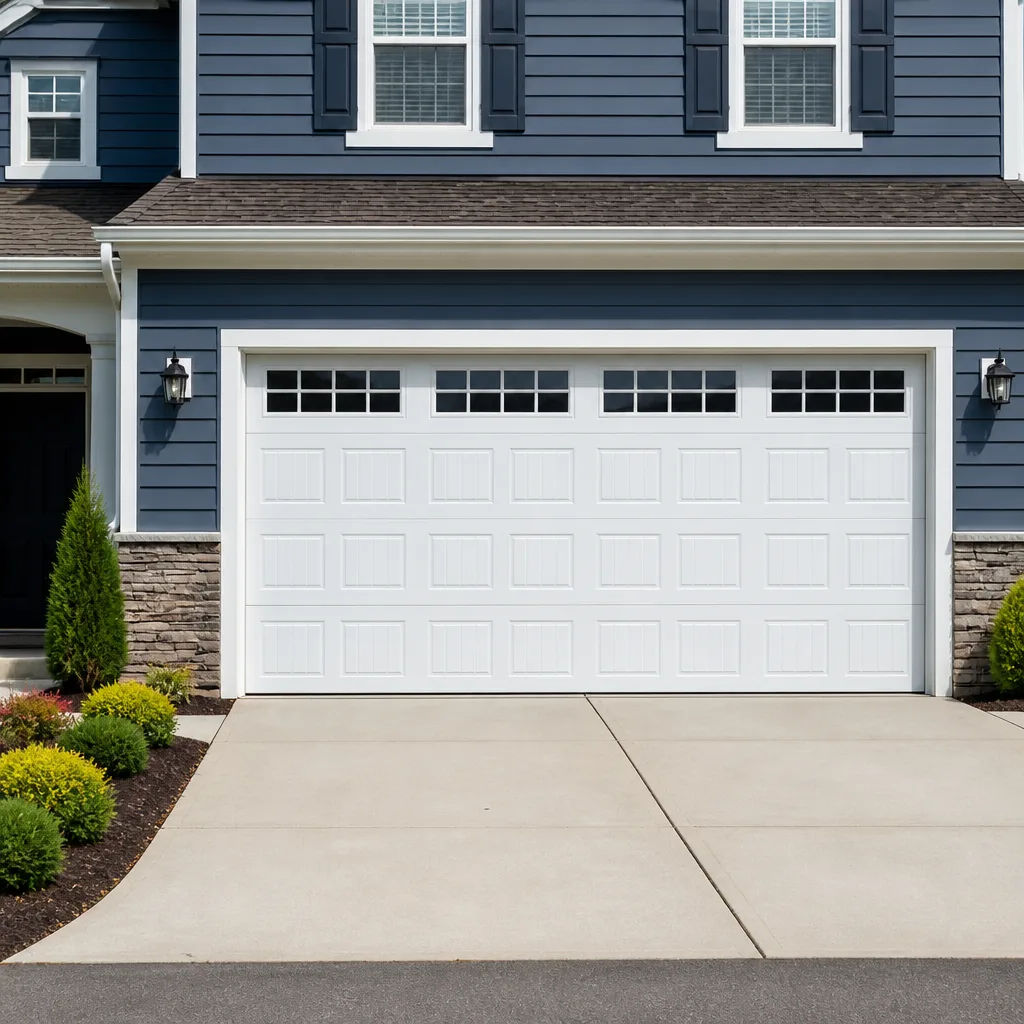 Raised-panel steel
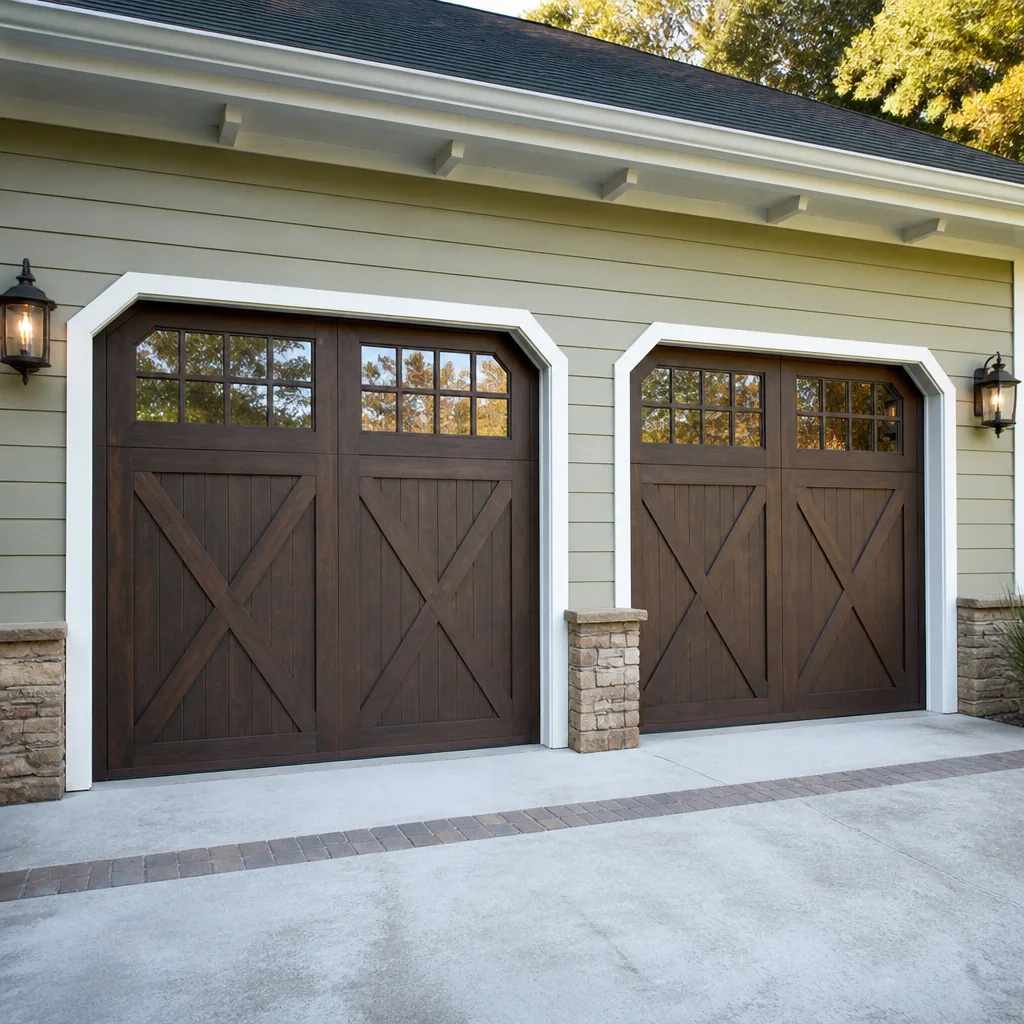 Carriage house
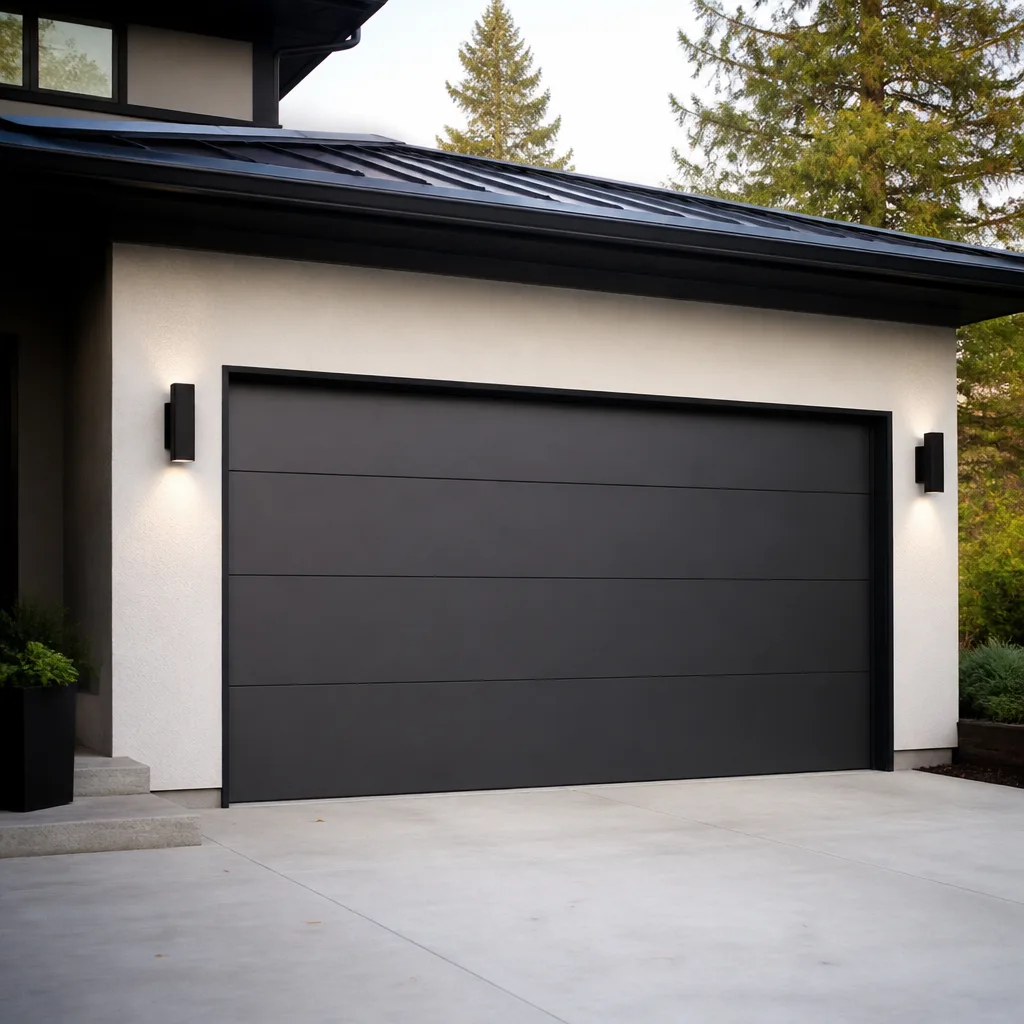 Modern flush
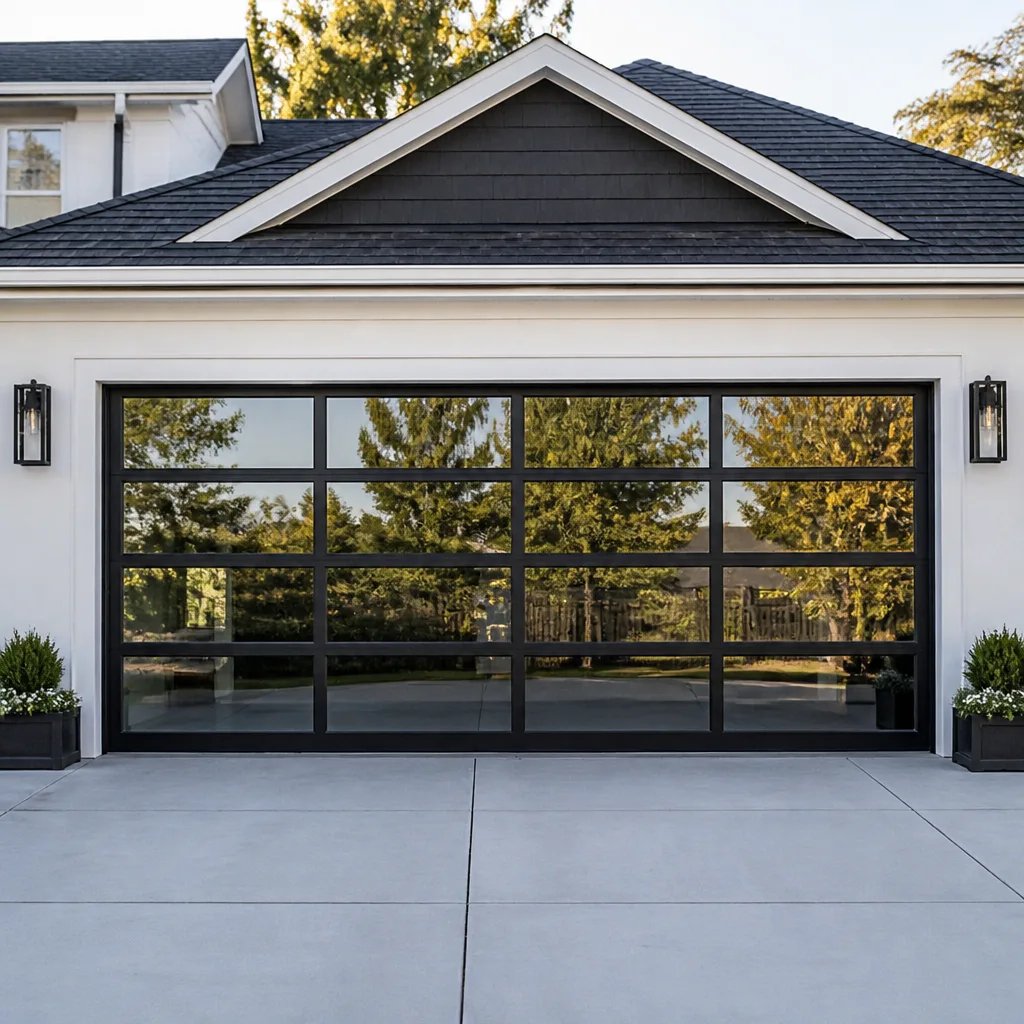 Full-view glass
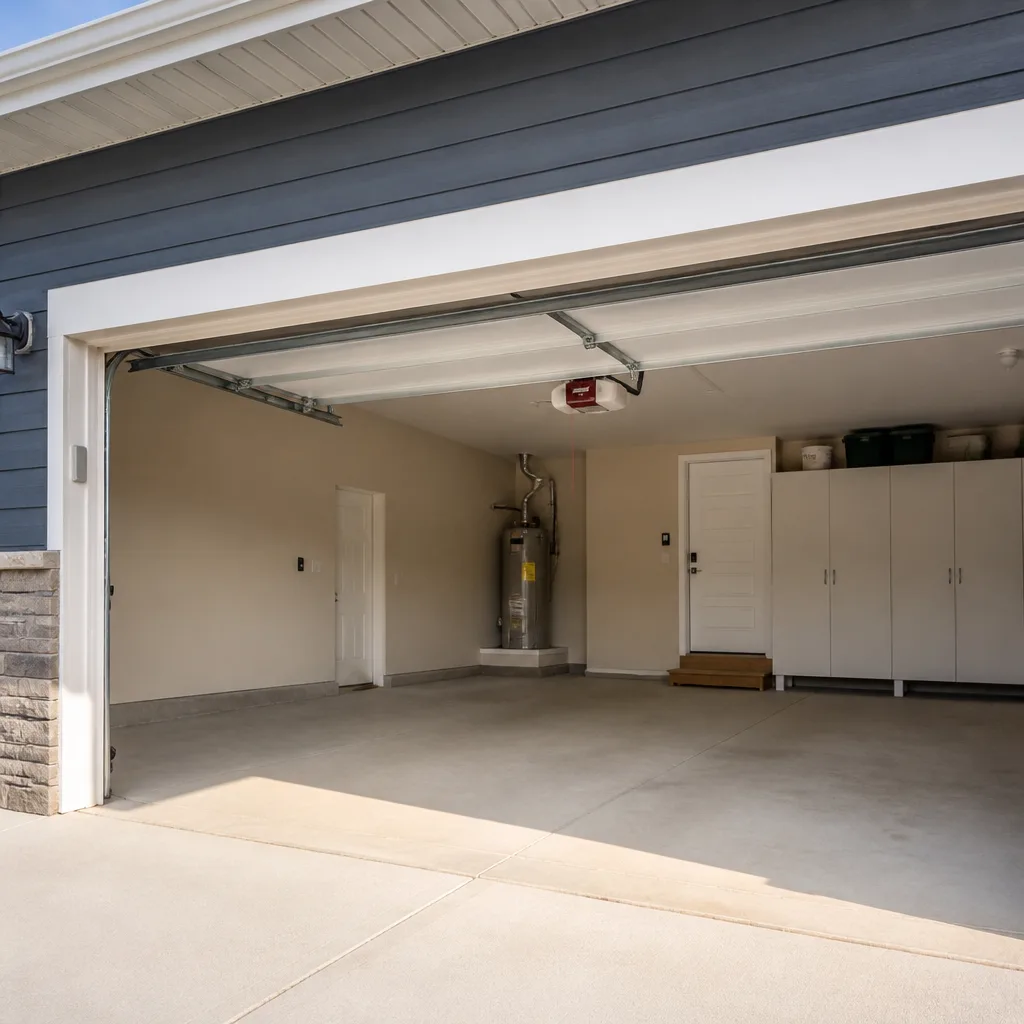 LiftMaster openers
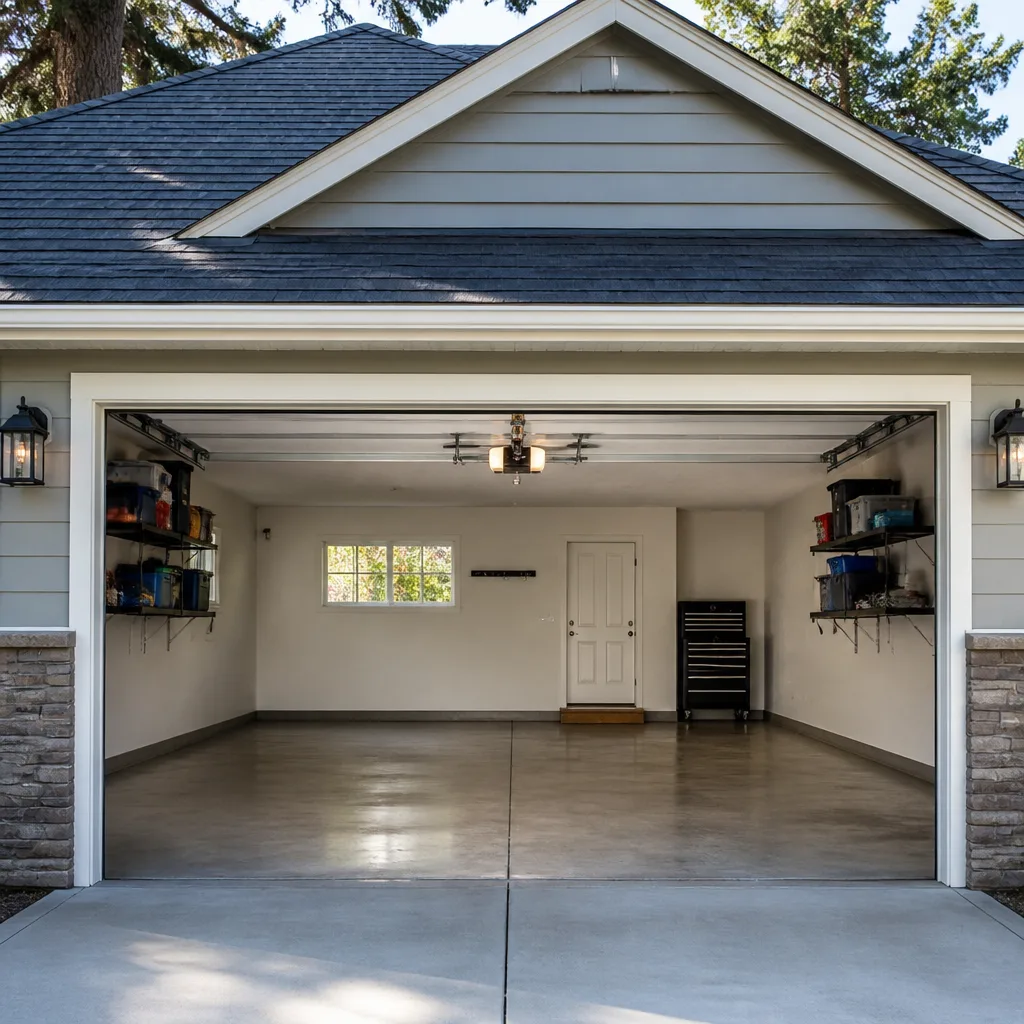 Chamberlain openers
Full 25-point door and opener safety check with every visit - springs, cables, rollers, tracks, and your LiftMaster or Chamberlain opener included
You get a price before we start. It does not change when the pro arrives.
Get your free estimateSeasonal Garage Door Care for Lansing: Year-Round Homeowner’s Guide
Most homeowners assume January is the hardest month on a garage door. In our experience across Lansing, it isn’t. March is. When daytime temperatures swing up toward 40°F and nights fall back to 18°F, the freeze-thaw cycle works metal tracks, panel seams, and weatherstripping harder than steady cold ever does. Water gets into a seam, freezes, expands, and lets go, over and over, until something gives. This guide is built around the two windows that actually matter here – the October freeze prep and the March thaw inspection – and it’s honest about which seasonal tips circulating online are worth your time and which are padding that doesn’t fit a Michigan climate. You’ll learn what to check, when, and what to leave to a technician.
Quick Answer
Seasonal garage door care in Lansing comes down to two anchor points: a pre-freeze check in October focused on seal flexibility, cold-rated lubricant, and opener force limits, and a thaw inspection in March that catches rust, frame heave, and cable stretch before they become repairs. Summer and fall matter less, but UV degradation and drainage still deserve a look. Twice-a-year attention covers roughly 80% of what keeps a door running here.
Styles & brands we work with
- Raised-panel steel
- Carriage house
- Modern flush
- Full-view glass
- LiftMaster openers
- Chamberlain openers
Table of Contents
- Why Lansing’s Climate Is Hard on Garage Doors
- The October Pre-Freeze Checklist
- The March Thaw Inspection: The Most Important Season
- Summer: UV, Heat Expansion, and Photo-Eye Drift
- Fall Drainage: When a Water Problem Looks Like a Door Problem
- An Honest Maintenance Calendar
- What You Can Check vs. What Needs a Technician
- When to Call a Professional
- Frequently Asked Questions
- The Bottom Line
Why Lansing’s Climate Is Hard on Garage Doors
Lansing sits in a part of Michigan where the temperature doesn’t just get cold – it crosses the freezing mark repeatedly through late fall, winter, and early spring. That crossing is the problem. Metal expands and contracts, seals stiffen and relax, and any moisture that finds a seam has a chance to freeze and thaw dozens of times in a single season. A door that lives in sustained cold actually has an easier life than one that lives through a Lansing March.
There are three materials in a typical residential door system, and each reacts differently:
- Steel panels and tracks expand and contract with temperature. Tracks that were perfectly aligned in October can drift a fraction by March, which is enough to make a roller bind or a door close unevenly.
- Weatherstripping and bottom seals are the first thing to stiffen. A vinyl or rubber seal that’s flexible at 60°F can turn rigid at 20°F and stop making contact, which lets cold air, water, and pests in.
- Cables and springs carry load under tension. Cold makes cable slightly less forgiving and puts more stress on spring cycles. Cable stretch and spring fatigue are both gradual, which is why they’re easy to miss until a door won’t lift.
Add road salt tracked onto the apron, meltwater pooling at the threshold, and gutters that ice over, and you have a set of conditions that no generic national maintenance checklist is written for. The advice that matters in Lansing is the advice written for a place with a real freeze-thaw winter. That’s the lens this guide uses, and it’s the same lens our technicians bring when they look at a door in Lansing.
The October Pre-Freeze Checklist
October is your one clear window to get ahead of winter. The goal isn’t to fix everything – it’s to make sure nothing is set up to fail once the freezing starts. Three things deserve the most attention: seal flexibility, lubricant viscosity, and opener force limits.
Seal Flexibility
Run your hand along the bottom seal and the perimeter weatherstripping. If it’s cracked, torn, or already stiff on a cool morning, it will only get worse. A seal that doesn’t make contact lets meltwater and cold air in at the worst possible time. Replacing a worn bottom seal before the freeze is one of the least expensive things you can do for a door, and it prevents a much bigger water problem later.
Lubricant Viscosity for Cold Temps
Whatever you lubricate with in July may not be right in January. A general-purpose oil that’s thin and free-flowing in warm weather can thicken and gum up rollers and hinges when it’s cold. Use a lubricant rated for low temperatures – a silicone-based or cold-rated garage door lubricant – on rollers, hinges, and the torsion spring (never on the tracks themselves, which should stay clean and dry). Applying it in October means it’s doing its job before the first hard freeze.
Opener Force-Limit Pre-Adjustment
An opener has a force limit that tells it how much resistance to tolerate before reversing. Cold weather increases resistance: stiffer seals, thicker lubricant, and tighter tolerances all add drag. If the opener is set near its limit, a normal cold snap can push it over and cause a door that reverses partway down. A technician can check the force setting and confirm it has headroom for winter. This is a job for someone who knows the specific opener – whether it’s a LiftMaster, a Genie, or a Craftsman unit, each brand sets and reads force limits a little differently.
The rest of the October list is quick:
- Check that the door is balanced – disconnect the opener and lift it halfway; it should stay put.
- Look for loose hinges and roller brackets and tighten anything that’s worked free.
- Clear gutters and confirm downspouts carry water away from the garage apron, not toward it.
- Test the safety reverse and the photo-eye system with the door in both directions.
The March Thaw Inspection: The Most Important Season
If you only do one inspection a year, do it in March. That’s when a Michigan winter leaves its marks and when most of the damage that started in the cold becomes visible. Three things to look for: rust formation, frame heave, and cable stretch.
Rust Formation
Meltwater finds its way into panel seams, hinge points, and the bottom edge of steel doors. Once it’s in, it freezes, thaws, and sits. Come March you’ll see rust bleeding from seams, bubbling paint at the bottom panel, or orange stains at hinges. Catching surface rust early is a cleaning-and-touch-up job. Left alone, it eats into the panel and turns into a replacement conversation. If the door is a Clopay, Amarr, or Wayne Dalton steel model, the seam design matters for where rust tends to start, and it’s worth having someone who knows the panel construction take a look rather than guessing.
Frame Heave
Frost and soil movement over winter can shift the garage frame slightly, and that shift shows up as a door that suddenly rubs, binds, or doesn’t sit flush at the bottom. If the gap at the bottom of the door has changed since fall, or if one corner closes tighter than the other, the frame or the track alignment is the likely cause – not the door itself.
Cable Stretch
Cables carry the tension that keeps a door balanced. Over a winter of freeze-thaw cycling plus normal use, a cable can stretch or a drum can wind slightly unevenly. A door that feels heavier, lifts crooked, or makes a new noise on one side is telling you something changed. Cables are under extreme tension and can cause serious injury if handled incorrectly – this is inspection territory, not a do-it-yourself repair.
A good March inspection is visual and hands-on where it’s safe:
- Look for rust, water staining, and paint bubbling along seams and the bottom panel.
- Check that the door sits evenly at the floor and closes flush across its width.
- Listen for new noises and watch for a door that lifts unevenly or hesitates on one side.
- Re-test the safety reverse and photo eyes.
- Re-lubricate rollers and hinges with a cold-rated product if you skipped the fall.
If any of that turns up something you’re not sure about, that’s exactly the kind of thing to have checked before spring rains add water to the equation. If a door fails outright, our garage door repair team handles the March rush every year.
Summer: UV, Heat Expansion, and Photo-Eye Drift
Summer in Lansing is the easy season for a garage door, but two issues are easy to miss because they happen slowly.
UV Degradation on Vinyl-Backed Panels
If your door has a vinyl or insulated backing on the interior face, and that face gets sun through a window or an open door, ultraviolet light breaks the vinyl down over time. It shows up as chalky film, cracking, or a dull finish that won’t clean up. On insulated doors this can also affect the bond between the vinyl and the panel. A quick look at the interior face twice a summer tells you whether UV is a factor.
Photo-Eye Misalignment from Heat Expansion
The photo-eye safety sensors sit low on the tracks and depend on a clear line between them. Metal tracks expand with summer heat, and that expansion is often just enough to knock one sensor slightly out of line. The symptom is a door that won’t close, or closes and reverses immediately, on a hot afternoon but works fine in the morning. Before you assume the opener is failing, check that both sensor lenses are clean and aimed at each other. That single check saves a lot of unnecessary service calls – and it’s the kind of thing a brand-agnostic diagnostic catches quickly, whether the opener is a LiftMaster or a Raynor unit.
Summer is also the right time to do the easy stuff: wipe down tracks, clean and re-lubricate rollers and hinges, and check that the door’s hardware hasn’t loosened after a season of use. Nothing here is urgent. If you’re planning a new door rather than a repair, summer is the time to call, because installation is a measured, ordered, scheduled job – not a same-day fix.
Fall Drainage: When a Water Problem Looks Like a Door Problem
Some of the damage homeowners blame on the door actually starts with water, and the fall gutter-and-downspout pattern is where it begins. If a downspout empties onto the apron in front of the garage, or if the grade around the garage slopes back toward the door, meltwater and rain pool at the threshold. That water then works under the bottom seal, into the door’s bottom panel, and against the frame.
The symptoms look like door problems:
- A bottom seal that’s always wet, rotting, or peeling away
- Rust that keeps coming back at the bottom panel no matter how often it’s cleaned
- Water staining on the floor of the garage, especially after a heavy rain
- A door that sticks at the bottom because the threshold has swelled or iced over
Before you spend money on a door repair, walk the perimeter in the fall and check three things: gutters are clear and attached, downspouts discharge at least a few feet away from the garage, and the ground slopes away from the building. Extending a downspout is cheap and often fixes a recurring water problem at the threshold. If the seal or the bottom panel is already damaged, a repair may still be needed – but fixing the drainage first is what keeps it from coming back. One call to our Crossroads Garage Door Repair team can sort out whether you’re looking at a seal problem, a panel problem, or something a gutter extension would have prevented.
An Honest Maintenance Calendar
Plenty of seasonal tip lists online read well and apply to almost no one. Here’s what actually matters in a Lansing climate, sorted by how much time it really takes and how often.
Twice a Year, About 20 Minutes
- Lubricate rollers, hinges, and springs with a cold-rated product (October and March are the right moments).
- Test the safety reverse and photo-eye system in both directions.
- Visual check for rust, wear, and seal condition.
- Check door balance with the opener disconnected.
Once a Year
- Inspect bottom seal and perimeter weatherstripping for flexibility and contact.
- Wash panels and check for UV or paint degradation (summer).
- Clear gutters and confirm downspouts discharge away from the garage (fall).
What You Can Ignore
- Monthly lubrication schedules. In a cold climate, twice a year is the realistic cadence, not every 30 days.
- Advice written for warm, dry climates about “dust storms” or “desert heat.” It doesn’t match how a Michigan door ages.
- Schedules that skip the March inspection. The thaw is the single biggest factor here, and any calendar that treats all four seasons as equal is padding.
What You Can Check vs. What Needs a Technician
It helps to separate the work by risk, not by difficulty. Some checks are safe for any homeowner. Others involve components that can injure you if they fail, and those belong with a trained professional.
Safe for most homeowners:
- Visual inspection for rust, wear, seal condition, and panel damage
- Lubricating rollers, hinges, and springs with the right product
- Testing safety reverse and photo eyes
- Cleaning tracks and wiping down panels
- Checking drainage and gutter discharge
Needs a technician:
- Spring and cable work. Torsion and extension springs and the cables that hold them are under extreme tension; adjusting or replacing them is a common source of serious injury. Never attempt this yourself.
- Opener force-limit and travel-limit adjustment, and any opener repair beyond the basic checks.
- Track realignment, frame heave, and any structural adjustment.
- Panel replacement and installation.
Our technicians have up to 13 years of experience, and they’re familiar with the equipment most Lansing garages actually have – whether that’s a LiftMaster or Chamberlain opener, a Craftsman or Wayne Dalton door, or something else entirely. Brand doesn’t limit what we’ll look at. We work on what you already have, and we repair when possible rather than defaulting to a replacement.
Common Mistakes to Avoid
- Skipping the March inspection. Many homeowners focus on getting ready for winter and forget the thaw afterward. The thaw is when water damage, rust, and cable stretch show up, so skip it and you find the problem later, when it’s bigger.
- Using the wrong lubricant in cold weather. A warm-weather oil that thickens at low temperatures adds drag to every cycle. Use a cold-rated product, especially going into October.
- Assuming a door that won’t close in summer has a failed opener. Heat expansion knocks photo eyes out of line constantly. Check the sensors before you call about the opener.
- Blowing off the drainage. A downspout that empties at the garage apron guarantees a wet threshold every spring. Fixing the drainage is often cheaper and more permanent than fixing the seal over and over.
- Servicing springs or cables yourself. These parts are under extreme tension and are genuinely dangerous. This isn’t a difficulty issue, it’s a safety one.
- Replacing a door when a repair is what it needs. A brand-agnostic diagnosis looks at what’s actually failing. A door with a worn seal and a slight track drift doesn’t need to be replaced.
- Ignoring a new noise. A door that sounds different than it did last season is telling you something changed. Catching it at the next inspection keeps it a small repair.
When to Call a Professional
Some issues are worth a home check. Others shouldn’t wait for your next inspection. Call a professional if a spring is clearly broken or a door won’t lift at all, if a cable looks frayed or uneven, if the door lifts crooked or feels much heavier than usual, if it reverses without an obstruction, or if there’s rust or frame heave that’s affecting how the door sits and closes. Any opener issue that isn’t a photo-eye cleaning or a dead battery is also worth a professional look. Crossroads Garage Door Repair offers free estimates in Lansing – call (833) 673-0891. We answer 24/7. Fast dispatch from 7am to 7pm, Sunday through Friday.
Frequently Asked Questions
Twice a year is the realistic cadence here, timed to the seasons that matter: once in October before the freeze and once in March during the thaw. Monthly schedules are overkill. The two seasonal windows catch the issues a Michigan climate actually creates.
No. Torsion and extension springs and the cables that hold them are under extreme tension, and adjusting or replacing them is a leading cause of serious injury for homeowners who try. This is a job for a trained technician, every time. Our garage door repair team handles spring and cable work safely.
Heat expansion is the usual cause. Metal tracks expand on hot days, which can knock one photo-eye sensor slightly out of line with the other. Check that both sensors are clean and aimed at each other before assuming the opener has failed. It’s one of the most common and most fixable summer issues in Lansing.
The March thaw exposes three things: rust that started in seams and hinges over winter, frame heave from frost and soil movement, and cable stretch from a season of freeze-thaw cycling. A visual check for rust and an even close across the door’s width catches most of it. Anything involving cables needs a professional.
Yes – have the force limit checked before the freeze. Cold weather adds resistance through stiffer seals and thicker lubricant, and an opener set near its limit can start reversing partway down. Whether it’s a LiftMaster, Chamberlain, or another brand, the setting reads a little differently, which is why it’s worth having a technician confirm it.
Not necessarily. Surface rust caught early is often a clean-and-touch-up job, and the real fix is usually stopping the water that causes it. If rust has eaten into the panel, replacement of the panel is a possibility, but a repair-first diagnosis should come before any talk of a new door. Call our garage door opener repair team for the opener side of any issue, and we’ll sort out the door as well.
The Bottom Line
The two dates that matter most for a Lansing garage door are October and March. October is for getting ready: seal flexibility, cold-rated lubricant, and opener force limits set with headroom for winter. March is for catching what winter left behind: rust in seams, frame heave, and cable stretch. Summer adds a UV and photo-eye check, and fall is where you fix the drainage that keeps water off the threshold. Everything else in the seasonal advice world is mostly filler. Do the twice-a-year work, watch for the warning signs, and leave springs, cables, and force-limit adjustments to a technician. If you’re not sure where you stand, we’ll take a look. Call (833) 673-0891 for a free estimate in Lansing. We answer 24/7. Fast dispatch from 7am to 7pm, Sunday through Friday.
If you’re in Lansing and want a second set of eyes before the next freeze or thaw, we’re glad to help. Whether it’s a repair, an opener issue, or a new installation you’re planning, one call covers the door and the opener.
Written by the team at Crossroads Garage Door Repair.
See the difference
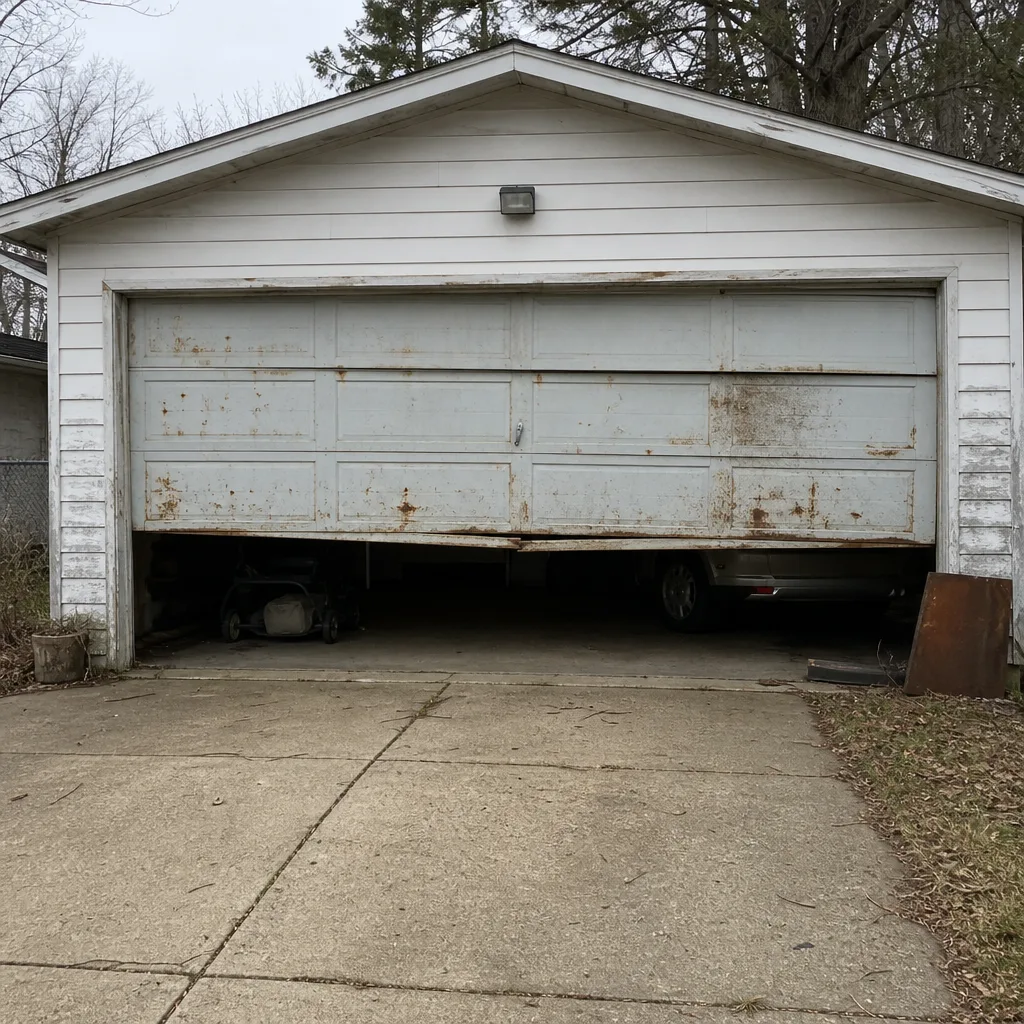 Before
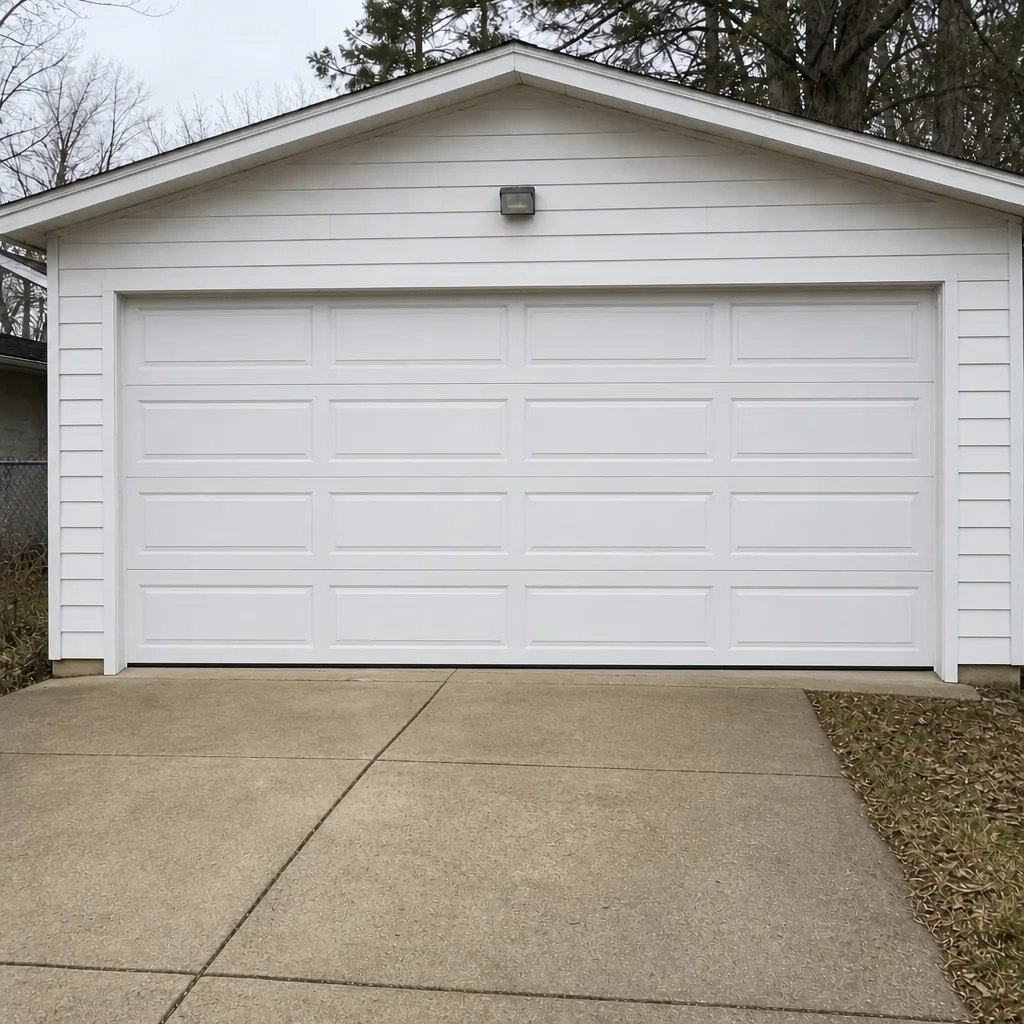 After
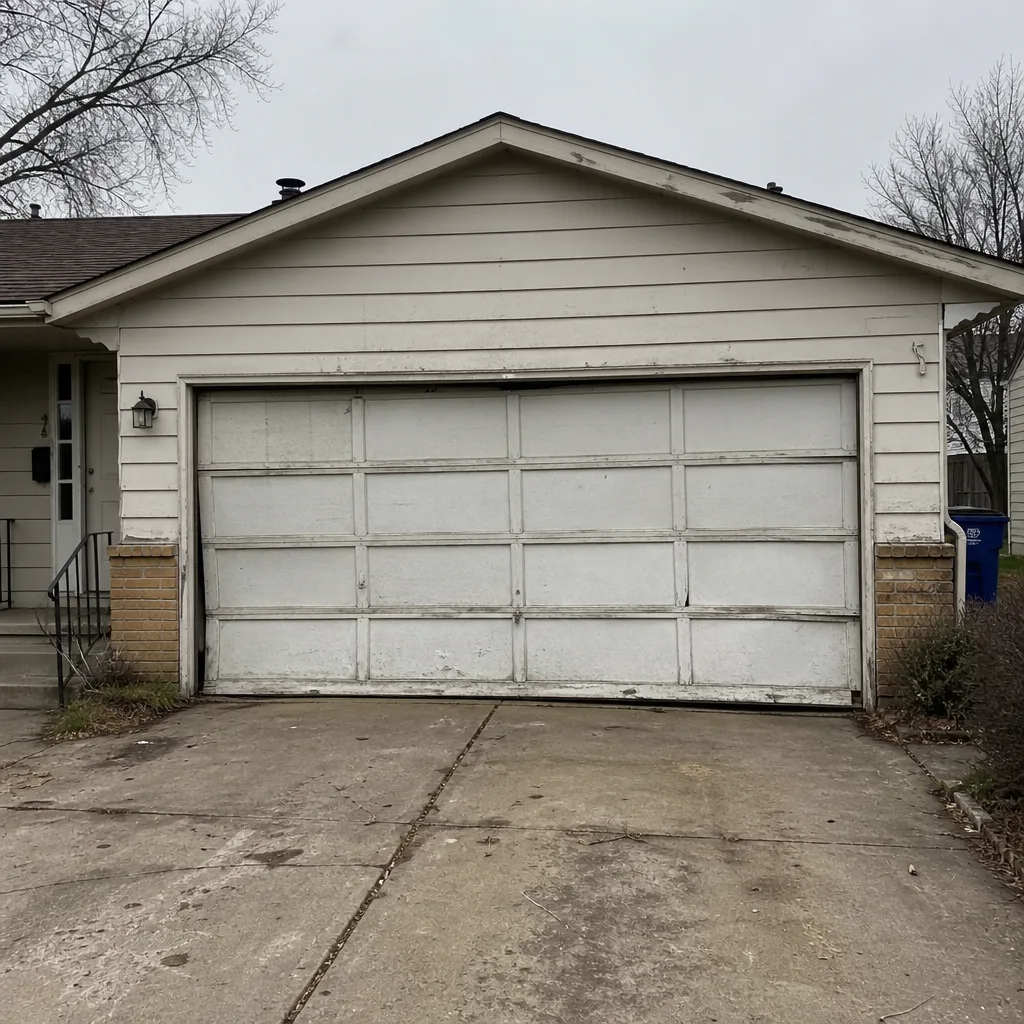 Before
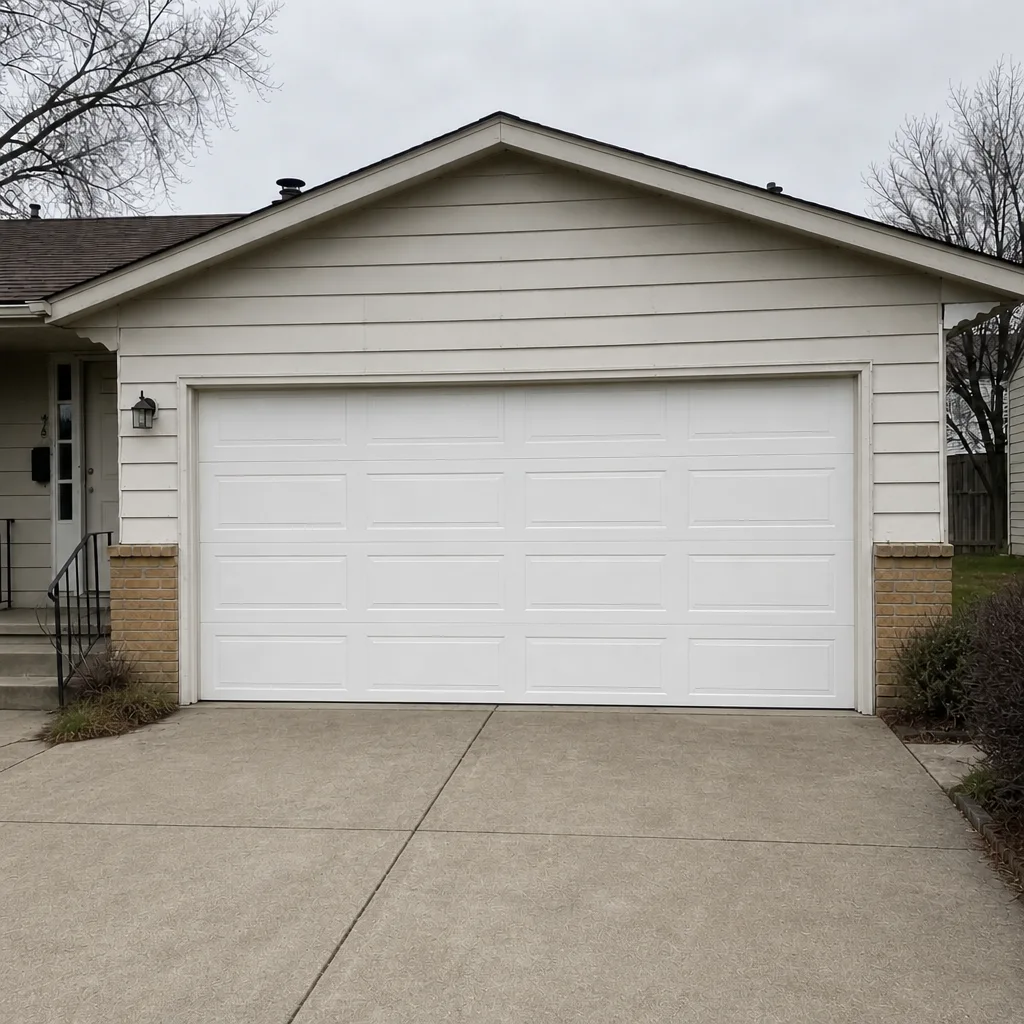 After
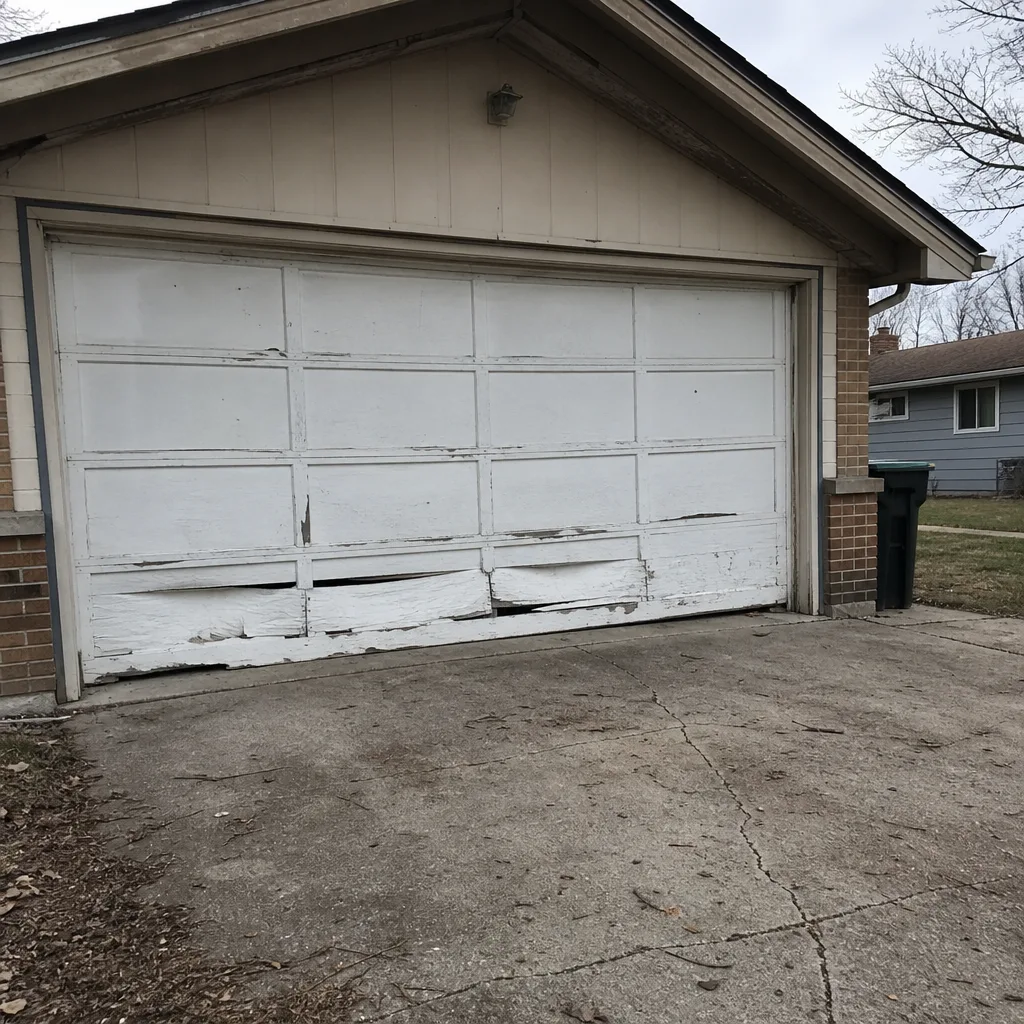 Before
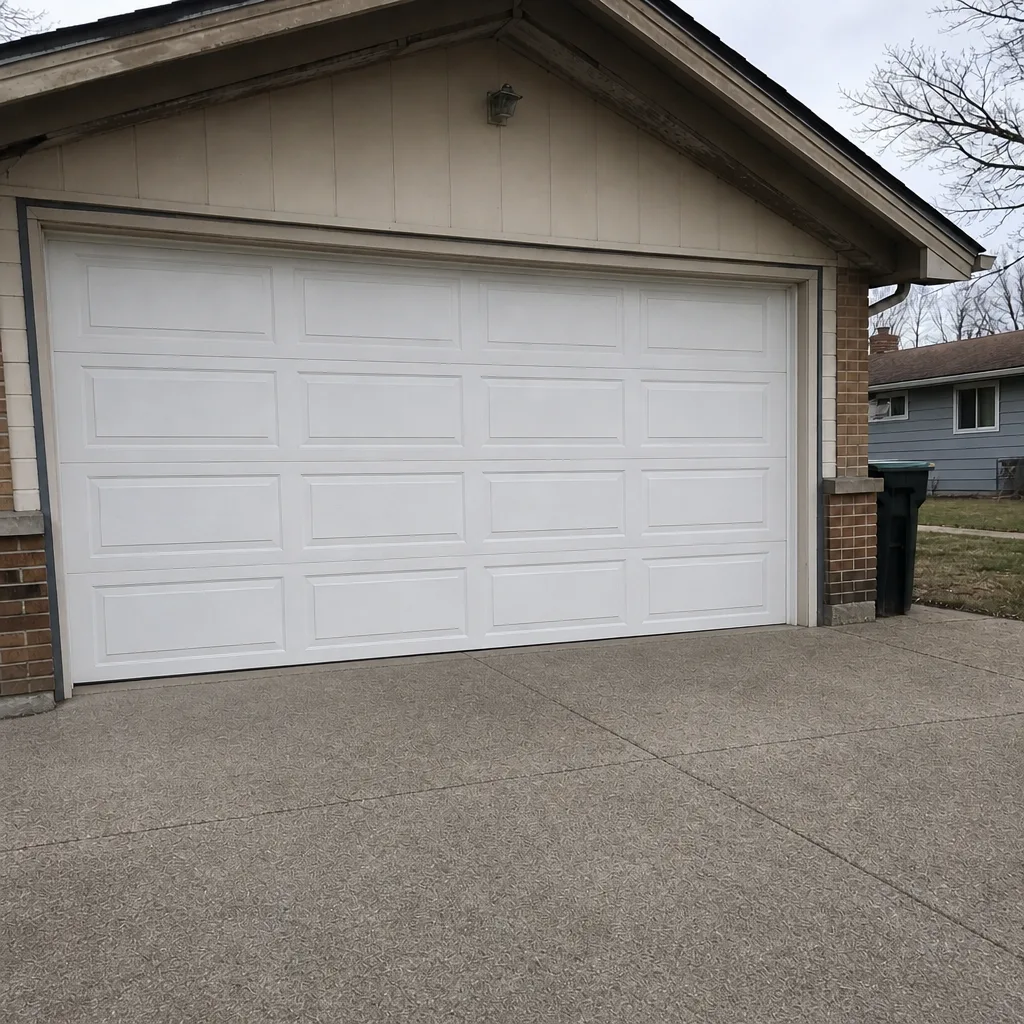 After