
Last updated November 15, 2026
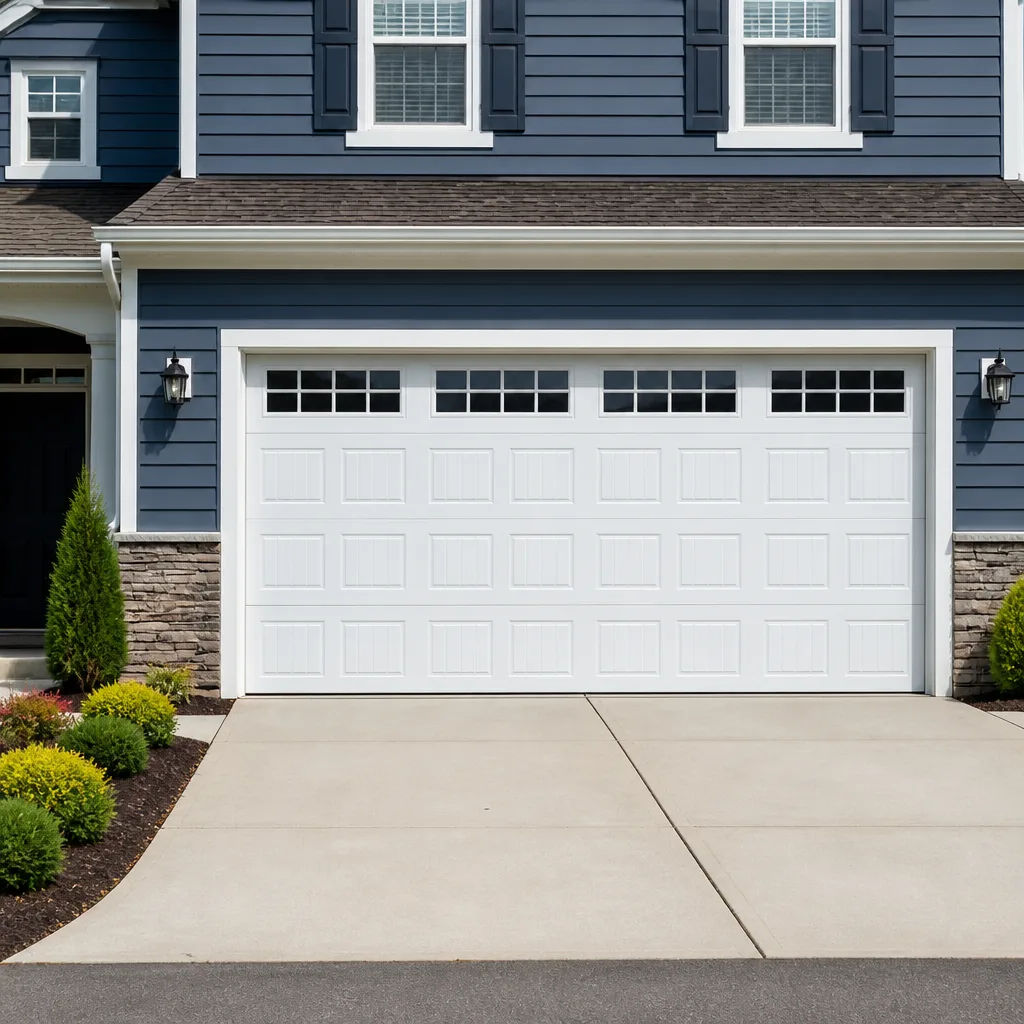 Raised-panel steel
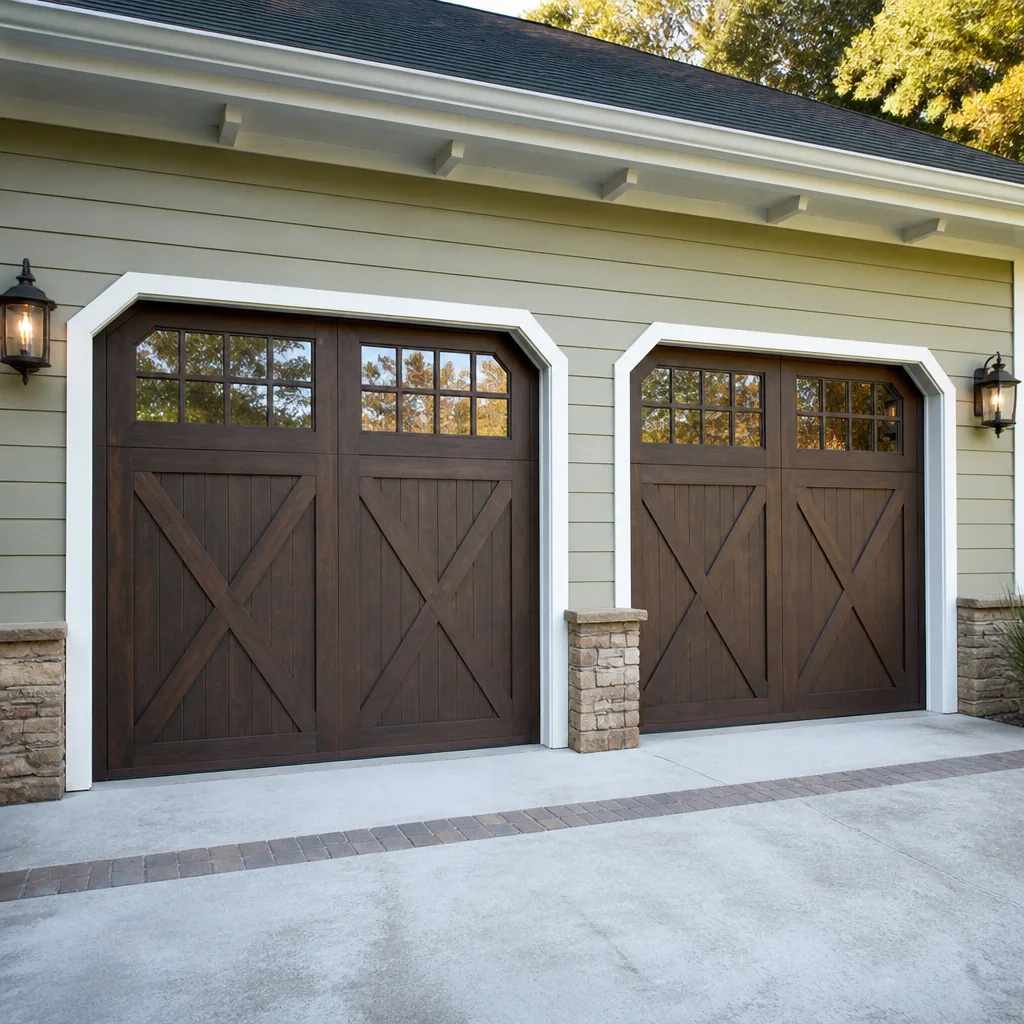 Carriage house
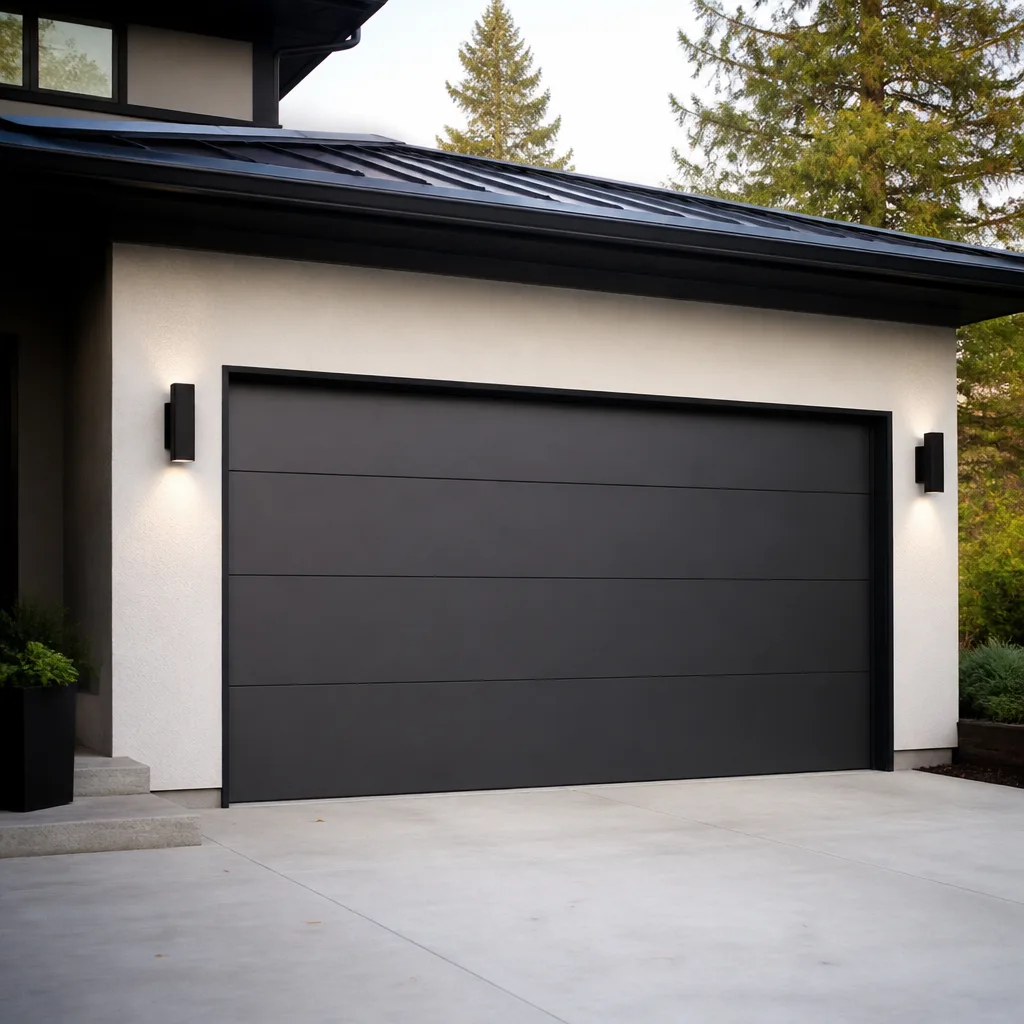 Modern flush
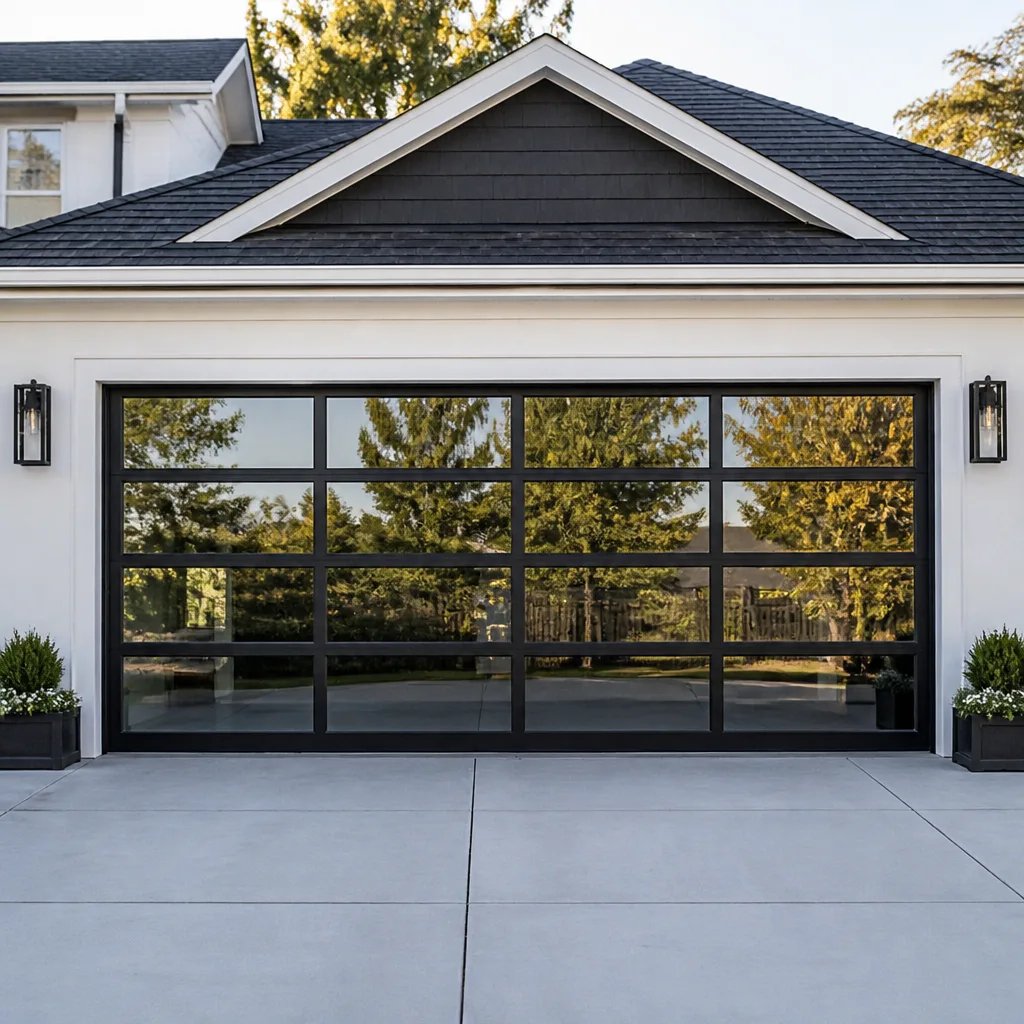 Full-view glass
 LiftMaster openers
 Chamberlain openers
Full 25-point door and opener safety check with every visit - springs, cables, rollers, tracks, and your LiftMaster or Chamberlain opener included
You get a price before we start. It does not change when the pro arrives.
Get your free estimateGarage Door Permits, Codes & Inspections in Lansing, MI: What You Need to Know
The most common permit mistake we hear about in Lansing isn’t a homeowner who skipped the paperwork on purpose. It’s the one who was told, by the installer standing in their garage, that a permit wasn’t required – and believed it. Garage door work feels like the kind of routine neighborhood project that surely falls below the city’s radar. It doesn’t always. The line between a like-for-like swap that needs no permit and work that does is narrower than most people assume, and the consequences rarely surface at installation. They surface later, at inspection, at closing, when an unpermitted circuit or an oversized door becomes someone else’s problem to explain. This guide draws that line as precisely as we can: which projects trigger a City of Lansing permit, where an opener install crosses into electrical territory, which Michigan Residential Code provisions apply to attached garages, and what “like-for-like” actually means when a door’s weight or dimensions change.
Quick Answer
A strict like-for-like replacement of a garage door in Lansing – same size, same weight class, same opening, no structural changes – is generally treated as repair and replacement work and typically does not require a building permit. Any project that changes the door’s size or weight, alters the opening or header, adds a new electrical circuit for an opener, or changes the fire-rated assembly between the garage and the living space usually does require a permit from the City of Lansing’s building department. The reliable move is to ask the city directly before work starts, and to get the answer in writing.
Styles & brands we work with
- Raised-panel steel
- Carriage house
- Modern flush
- Full-view glass
- LiftMaster openers
- Chamberlain openers
Table of Contents
- Which Garage Door Projects Need a Permit in Lansing?
- What “Like-for-Like Replacement” Actually Means
- When an Opener Installation Becomes an Electrical Permit
- Fire-Rating Rules for Garages Attached to Living Space
- How the Inspection Process Works
- Title Searches, Disclosure, and Resale in Ingham County
- Why Lansing’s Climate Makes Compliance Matter More
- Choosing an Installer Who Handles the Paperwork Honestly
Which Garage Door Projects Need a Permit in Lansing?
Think of it in two buckets: work that restores a door to what was already there, and work that changes something. Restoration is usually permit-free. Change is usually not.
Projects that typically do not require a City of Lansing building permit:
- Replacing a door panel or panels with matching panels of the same size and material.
- Replacing worn hinges, rollers, cables, or springs as maintenance.
- Swapping a failed opener for a new unit that uses the existing wiring and existing outlet, with no new circuit added.
- Replacing a door with an identical model of the same dimensions, weight class, and configuration.
- Routine lubrication, balance adjustment, and safety-reverse testing.
Projects that typically do require a permit:
- Changing the width or height of the door opening, or reframing the header.
- Replacing a single door with a double door, or converting a solid wall to a door opening.
- Installing a new circuit, subpanel, or outlet to power an opener or a smart opener’s accessories.
- Any change to the fire-rated wall or door assembly separating the garage from living space.
- Adding a garage door to a structure that didn’t previously have one.
Two caveats worth saying out loud. First, “typically” is doing real work in those lists. The City of Lansing’s building department is the authority on how a specific address is classified, and interpretations can vary with the age and construction of the home. Second, the classification isn’t a judgment about whether the work is good or bad – it’s about whether the scope of the job crosses into structural or electrical change. A first-time homeowner in Lansing replacing a rusted Clopay with the same size and model isn’t doing anything wrong by skipping a permit. A homeowner who widens the opening to fit a wider Amarr and skips the permit has created a code problem that will follow the house. When in doubt, call the city’s building department before you sign a contract, not after.
A practical step: when you request quotes, ask each contractor the same two questions. “Will this job require a permit?” and “If yes, who pulls it – you or me?” A contractor who answers with a flat “no permits needed, ever” without asking about your door’s size, weight, or wiring hasn’t given you an answer. They’ve given you a sales line.
What “Like-for-Like Replacement” Actually Means
The phrase “like-for-like” gets used loosely in the garage door trade. In practice it has a fairly specific meaning, and it’s the standard that keeps a replacement in the repair category rather than the permitting category.
A replacement is genuinely like-for-like when all of the following are true:
- Same opening dimensions. The new door fills the same rough opening as the old one, without new framing or a widened header.
- Same weight class. Steel doors, insulated doors, and wood doors all load the springs and the opener differently. A heavier door on the same torsion or extension springs is not a like-for-like swap; the springs have to be re-matched to the new door’s weight.
- Same material and configuration. A sectional steel door swapped for a sectional steel door of the same panel count and insulation class typically qualifies. A sectional door replaced with a single-panel tilt door usually does not.
- Same track and mounting. No relocation of the tracks, no change to the ceiling-mounted opener’s support structure.
- Same fire-rating characteristics, if the door is part of a rated assembly. More on that in the fire-rating section below.
Where people get tripped up is the weight question. A homeowner who replaces a basic uninsulated door with a heavier insulated model because they want a quieter, warmer garage has, in many cases, made a genuinely good decision. But it’s not a like-for-like replacement, and the springs, opener capacity, and in some municipalities the permit classification all change with it. In Ingham County and the City of Lansing, the practical test is whether the work changes the door’s physical footprint or load on the structure. If it does, treat it as a permitting project until the city tells you otherwise.
It’s also worth knowing that “like-for-like” isn’t only a permitting term. It’s an insurance and resale term. If a future buyer’s inspector or a future insurance adjuster looks at your door and sees a size or weight change that doesn’t match the original construction documentation, the question of whether the change was permitted is the next question asked. That’s not a reason to avoid upgrading. It’s a reason to document the upgrade properly.
When an Opener Installation Becomes an Electrical Permit
Here’s where a lot of garage door work quietly crosses a line. The door itself might not need a permit, but the electrical work feeding the opener might. Opener installation is generally a carpentry and mechanical job. Opener installation that adds a circuit, moves an outlet, or wires a new device into the panel is an electrical job, and in Lansing that work needs to be permitted and inspected.
An opener install stays in mechanical territory when:
- It uses the existing outlet and existing wiring in the ceiling or wall.
- It’s a direct swap for the failed unit, same location, same power draw class.
- It doesn’t require a new circuit breaker to be added to the panel.
An opener install requires electrical permitting and inspection when:
- A new dedicated 20-amp circuit is run from the panel to the opener location.
- The existing wiring is undersized, damaged, or ungrounded and needs replacement.
- New outlets are added for accessories like a smart opener’s Wi-Fi bridge, an exterior keypad on a new wall, or a battery backup unit that needs its own power source.
- The opener is being installed in a garage that previously had no powered opener, meaning no existing circuit exists to tap.
The GFCI question matters in an attached garage. Garages are considered damp-adjacent locations under most electrical codes because of vehicle exhaust, temperature swings, and occasional water intrusion. Outlets that serve garage equipment, including openers, are typically required to be GFCI-protected. If your existing outlet isn’t GFCI and you’re having a new opener installed, that’s a conversation to have with the electrician before the opener goes up. It’s also the kind of detail that comes up when a home inspector or a buyer’s electrician looks at the panel and traces the circuits. An unpermitted circuit is often invisible until someone traces it.
This is the boundary where a good garage door company knows its limits. We install and service openers across the major brands – Chamberlain, Genie, LiftMaster, and the rest – but we’re not electricians, and we don’t pretend to be. When an opener job needs a new circuit, that’s electrical work for a licensed electrician, and the permit is theirs to pull. What we can do is help you understand whether your job is on the mechanical side or the electrical side before anyone starts, so you’re not surprised by a second trade showing up on the invoice.
Fire-Rating Rules for Garages Attached to Living Space
In an attached garage, the wall and door between the garage and the house are part of a fire separation assembly. The purpose is straightforward: if a fire starts in the garage, the assembly is supposed to slow its spread into living space long enough for people to get out. Michigan Residential Code governs how that separation is built, and how it’s maintained when work is done on the door or the wall around it.
The practical points for Lansing homeowners:
- The separation is a system, not a single product. The wall assembly, the door between the house and garage (if there is one), the door between the garage and the exterior, and any penetrations all work together. Replacing the exterior garage door isn’t usually a fire-rating issue by itself – the garage door is the door to the outside, not to the house. But if the door being replaced is the one between the house and the garage, that door is part of the rated assembly and must maintain its fire rating when replaced.
- Don’t modify the assembly to fit a door. If a new door requires a larger rough opening, you’re cutting into a rated wall. That’s a code issue, not just a carpentry issue, and it’s the kind of change that needs a permit and an inspection to get signed off.
- Self-closing hardware matters. Doors between an attached garage and living space generally need to self-close and self-latch so they can’t be left propped. If you’re replacing that door, the new door needs the same hardware. It’s easy to overlook when the focus is the big overhead door.
- Penetrations count. Any new hole drilled through a rated wall – for wiring, for a new opener mount that requires new blocking, for anything – has to be sealed properly. An unsealed penetration through a rated wall is a fire-spread pathway.
We are not code officials, and we don’t interpret Michigan Residential Code provisions for a specific address. What we do is flag the questions before they become problems. When a Lansing homeowner asks us to replace a door that’s part of the fire separation, we’ll tell you plainly that the assembly is rated and that a call to the City of Lansing’s building department is worth making before the door comes down. That’s not bureaucracy. It’s the difference between a replacement that passes a future inspection and one that a buyer’s inspector flags two years later.
How the Inspection Process Works
The inspection process is more straightforward than most homeowners expect, and the contractors who handle it well make it look routine. Here’s the typical sequence for a permitted garage door or opener project in Lansing:
- Confirm permit requirements with the city. Before work is scheduled, the contractor or the homeowner calls the City of Lansing building department with the address, the scope of work, and the door’s current and proposed dimensions and weight. The city confirms whether a permit is needed and what type.
- Pull the permit. Whoever is doing the work pulls it. A garage door contractor can typically pull a building permit for structural or door-related work. Electrical work requires a licensed electrician to pull the electrical permit. Some homeowners pull a permit on their own if they’re doing owner-builder work – that’s a decision to make with full information, not by default.
- Complete the work to the plans. The permitted scope matters. If the permit says like-for-like replacement and the job drifts into a size change, the inspection will catch it, and the work has to be corrected or re-permitted.
- Schedule the inspection. A building inspection typically covers the structural and mechanical aspects of the door and opener. An electrical inspection covers the wiring and panel work. Both may need to occur before the project is considered closed.
- Keep the paperwork. The completed permit and inspection record is the proof that the work was done to code. Store it with your home documents the way you store a roof warranty or a furnace receipt.
Two things about timing. Permits are usually reviewed in a matter of days, not weeks, but the inspection has to be scheduled around the city’s availability, so a permitted job has a little more lead time than a pure like-for-like swap. Plan for it rather than being surprised by it. And if you’re doing a permitted project, don’t have it done the week before a closing. The inspection and final sign-off need to be complete before the sale, not pending at the table.
Title Searches, Disclosure, and Resale in Ingham County
Unpermitted work doesn’t always stay invisible. In Lansing and across Ingham County, a title search can turn up permit records, or the absence of them, and a home inspection often does the same. This is where the permit question stops being abstract.
Here’s what tends to happen in practice:
- Title searches check permit records. A thorough title search pulls municipal permit history for the property. If a permit was pulled and never closed – meaning the work was started but not inspected – that shows up as an open permit on the property record. Open permits can hold up a sale.
- Home inspectors look at the garage. A good inspector checks the door balance, safety reverse, spring condition, opener mounting, and the electrical supply to the opener. If an opener circuit runs from the panel and isn’t documented, or the outlet isn’t GFCI-protected, that’s a flagged item, not a minor note.
- Michigan sellers have disclosure obligations. A seller is expected to disclose known conditions and defects that affect the value or safety of the property. Unpermitted work that a seller knows about and fails to disclose can become a problem after closing, depending on the terms of the sale and the buyer’s recourse.
- Buyers can require corrections. If an inspector flags unpermitted electrical work or a non-compliant door installation in the garage, the buyer can ask for it to be corrected before closing, ask for a credit, or walk. That’s the moment a small permitting decision becomes a large negotiation.
The takeaway isn’t that every garage door project needs a permit. Most don’t. The takeaway is that the projects that do need one are the ones that tend to cause problems later, because they’re the ones that change something about the house – its electrical system, its structure, or its fire separation. A permit is a small, boring document that turns “I think this was done right” into “here’s the record that it was.” That’s the difference between a fact and an assumption, and at closing, buyers and their inspectors want facts.
Why Lansing’s Climate Makes Compliance Matter More
Lansing gets real winters. Snow, ice, repeated freeze-thaw cycles, and weeks of below-freezing temperatures are the norm, not the exception. That climate puts a lot of stress on the parts of a garage door system that permitting rules are designed to keep honest: the springs, the opener, the tracks, the fire separation, and the weather seal at the bottom.
Three ways this plays out locally:
- Springs wear faster here. Torsion and extension springs cycle with every open and close. Cold weather stiffens the grease and puts more load on the metal. When springs fail, the door becomes heavy and hazardous. A door that was upgraded to a heavier model without matching springs is a door that fails sooner in a Lansing winter, and the weight question is exactly the one that separates like-for-like from permitted work.
- Ice at the threshold can hide installation problems. A door that’s slightly out of square or a track that’s slightly misaligned can work fine in July and bind in January when the ground shifts. If the original installation was permitted and inspected, you at least know the structural work was done to code. If it wasn’t, you’re starting from an unknown.
- The garage becomes an occupied space in winter. When it’s below freezing outside, the garage is where people spend more time – loading kids, warming up the car, storing things. A fire separation that’s been compromised by an unpermitted wall penetration or a door replacement that didn’t maintain the rated assembly is a bigger deal when the space is more actively used.
We’re not going to pretend that climate is why the code exists. The code exists to keep buildings safe. But in Lansing, the climate makes the gap between “probably fine” and “verified fine” more expensive when it goes wrong, because the failure happens in the worst months and gets fixed in a hurry, without a plan. Getting the permit question answered up front is cheaper than getting the door fixed twice.
Choosing an Installer Who Handles the Paperwork Honestly
The single best protection against an unpermitted job is a contractor who will tell you the truth about the permit question, even when the truth costs them the job. Here’s what to look for.
- They ask about the door before they answer the permit question. A contractor who says “no permit needed” without knowing your door’s size, weight, and wiring hasn’t done the work to know. An honest answer takes a few minutes and involves questions.
- They’ll pull the permit when one is needed. Blocking a permitted job isn’t a contractor’s call. If a project needs a permit, a straight contractor will say so, pull it, and schedule the inspection.
- They know where their trade ends. A garage door company that installs openers should be able to tell you when an opener job needs an electrician. If the answer is “we handle everything,” that’s a signal, not a reassurance. Crossroads handles the mechanical side, the door side, and the opener side. We don’t do electrical panel work, and we’ll tell you when you need someone who does.
- They document what they did. A written record of the work – brand, model, weight, spring size, and whether a permit was pulled – protects you at resale. Look for it in the invoice or job paperwork.
- They repair when repair will do. A contractor who recommends a full replacement for a problem a spring replacement would fix is a contractor whose permit advice you should double-check, too.
We work on whatever’s in your garage. Whether it’s a Chamberlain opener needing a new logic board, a Genie belt drive that’s slipping, a Clopay panel that took a hit from a car, or an Amarr door that needs its springs re-matched to a new weight, we diagnose the actual problem before recommending a scope of work. If that scope of work crosses into the permitting category, we’ll tell you before the job starts, not after. And if it stays in the repair category, we’ll tell you that too, so you’re not paying for permits you don’t need. When a door needs replacement rather than repair, our garage door repair team can handle the swap; when the issue is in the motor, garage door opener repair is where we start. Either way, one call covers the door and the opener. Our technicians have up to 13 years of experience, and they’ve seen enough Lansing installations to know when something about a job looks off – including the paperwork.
Common Mistakes to Avoid
- Taking “no permit needed” at face value from the person who profits from the answer. The contractor’s interest and the city’s interest aren’t always the same. Ask the city’s building department directly, especially for anything that changes the door’s size or weight.
- Assuming an opener replacement is always permit-free. The mechanical swap usually is. If the job adds a circuit, moves an outlet, or replaces damaged wiring, it isn’t – and the electrical permit has to be pulled by a licensed electrician.
- Upgrading to a heavier insulated door without re-matching the springs. A heavier door on the original springs is a door that’s out of balance from day one and fails faster in a Lansing winter. The weight change can also move the job out of the like-for-like category.
- Cutting into the wall between the garage and the house to fit a larger door. That wall is a fire-rated assembly in an attached garage. Modifying it is a code issue that needs a permit and an inspection, not a quick trim with a sawzall.
- Leaving an open permit open. A permit that was pulled but never inspected shows up on a title search and can hold up a closing. If work was done years ago and the permit was never closed, that’s worth fixing now rather than at the negotiating table.
- Skipping the GFCI check on an existing opener outlet. An opener plugged into a non-GFCI outlet in an attached garage is a common inspection flag. If you’re having an opener replaced, ask the installer to check the outlet while they’re there.
- Doing a permitted project right before listing the house. Inspection and final sign-off need to be complete before closing, not scheduled for the week of. If you’re selling in the next few months, start the permitting conversation now.
See the difference
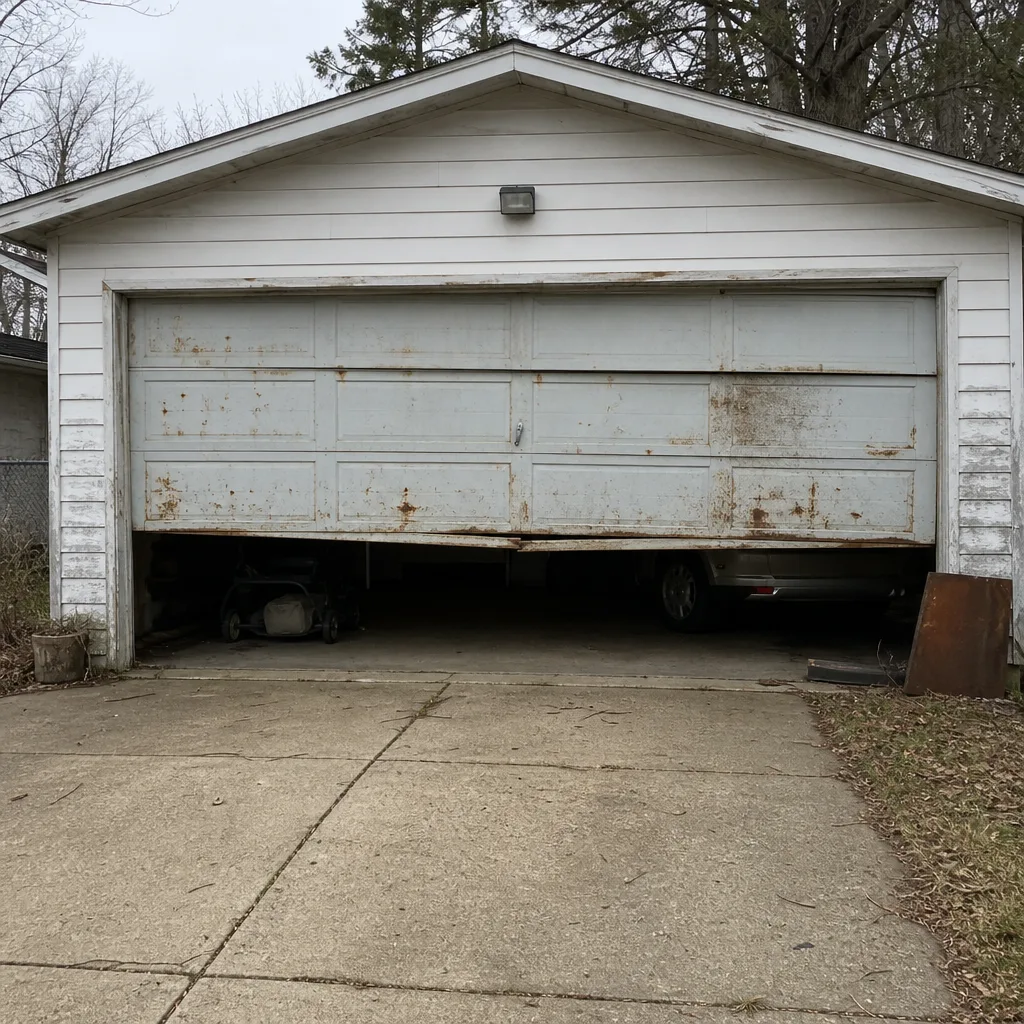 Before
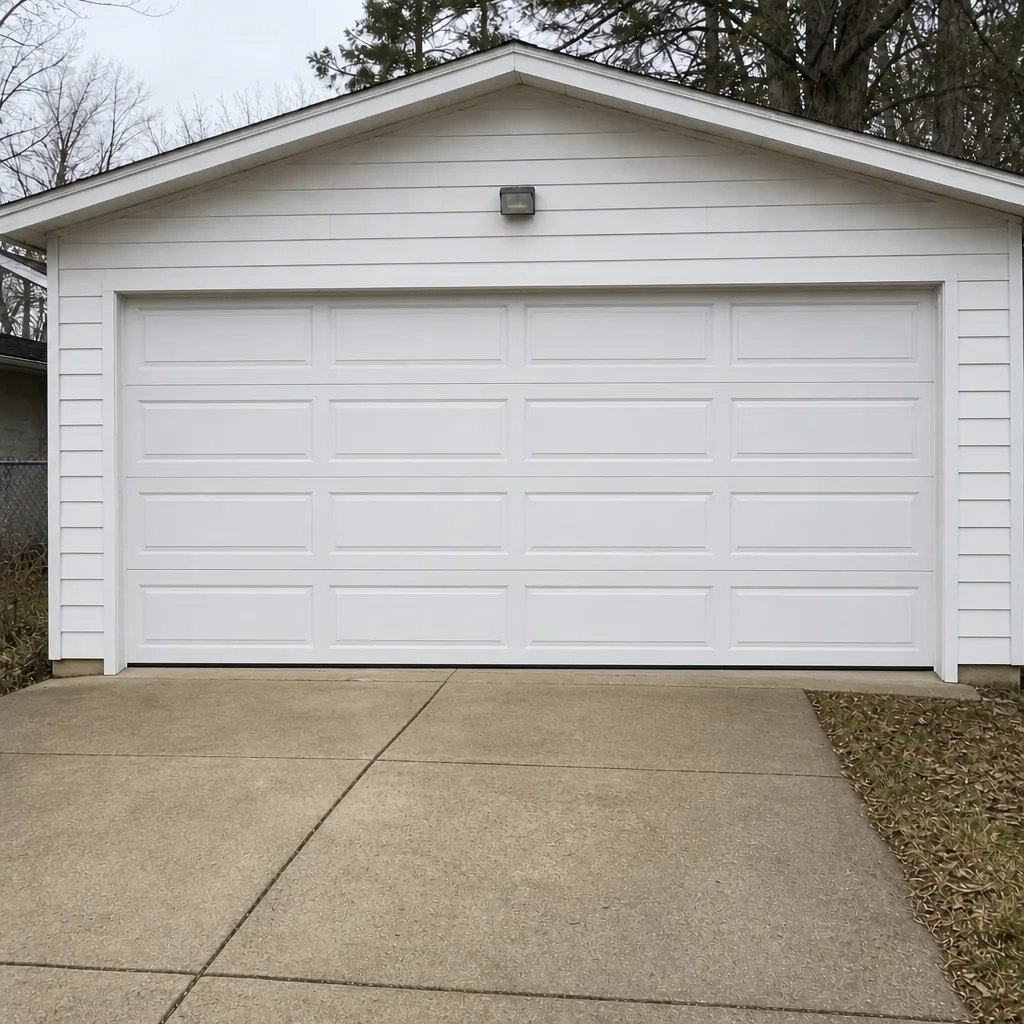 After
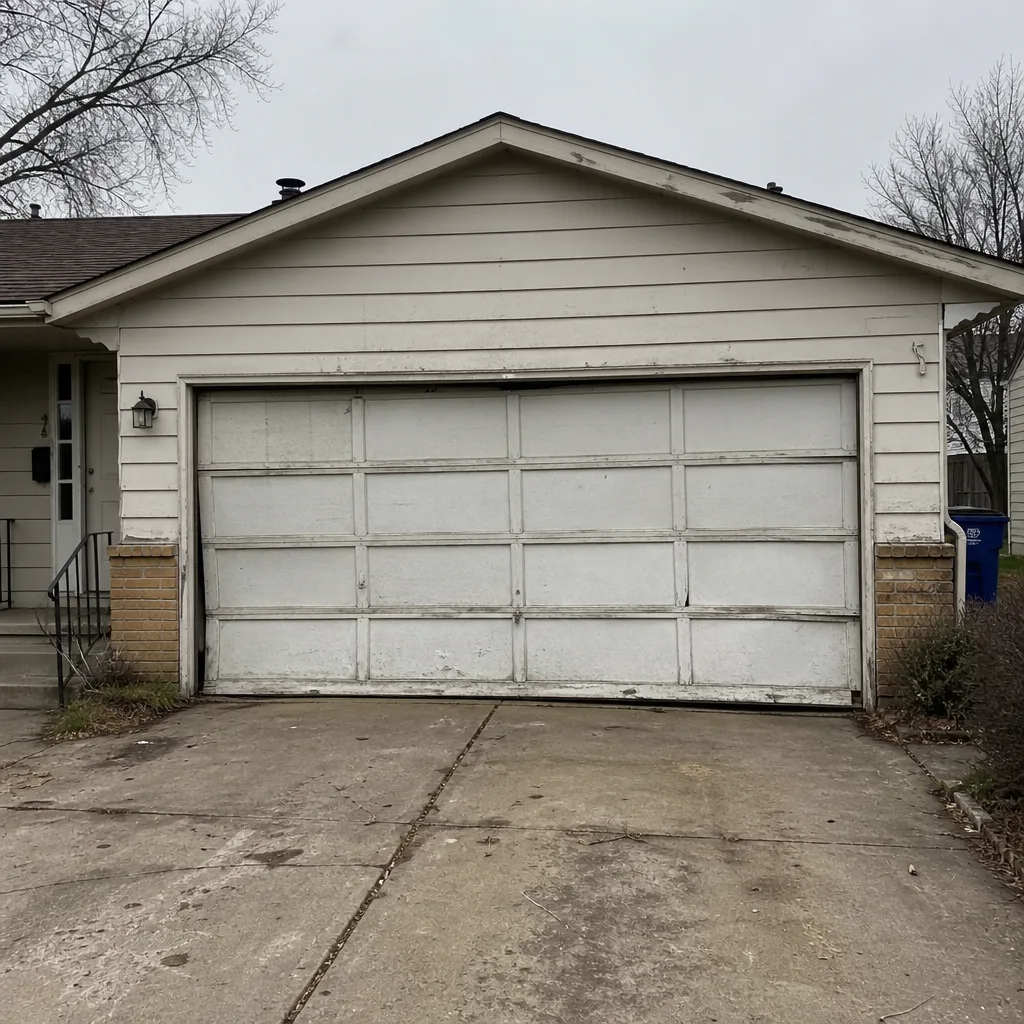 Before
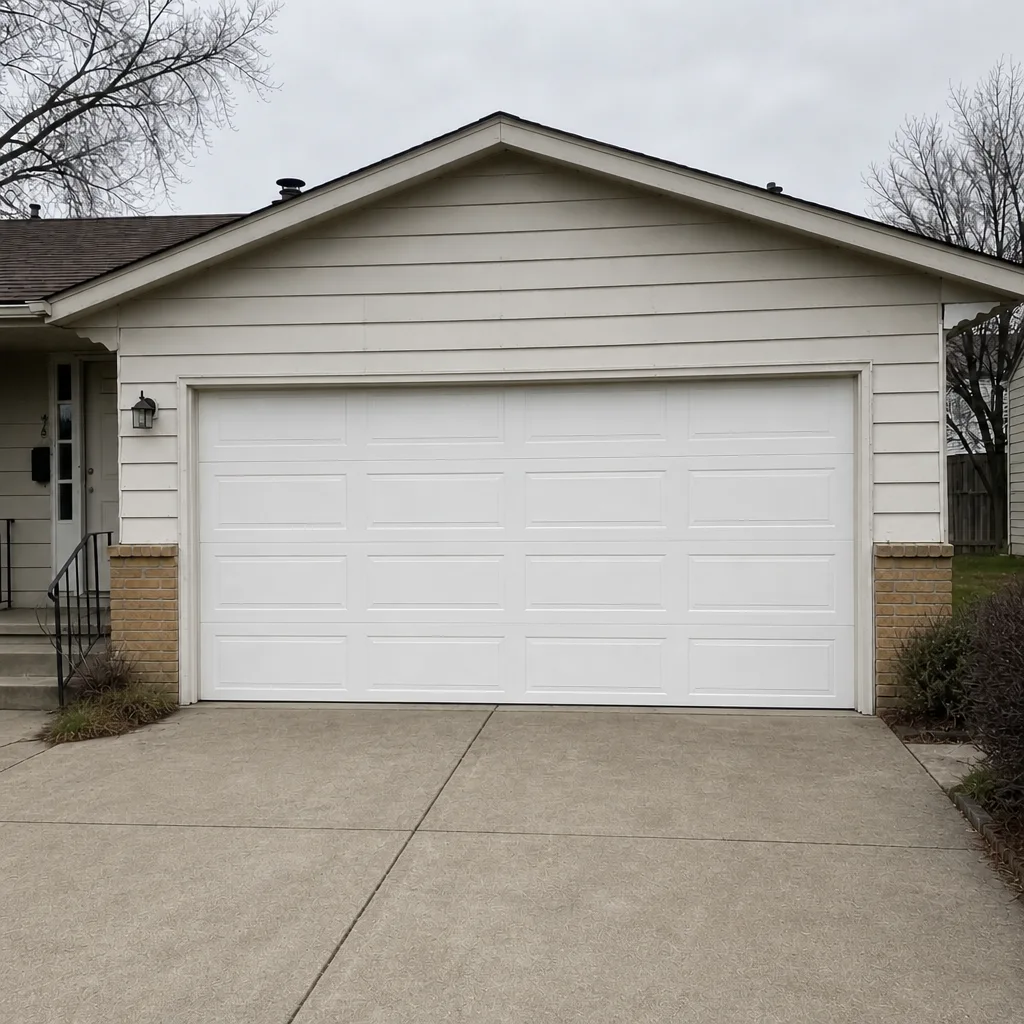 After
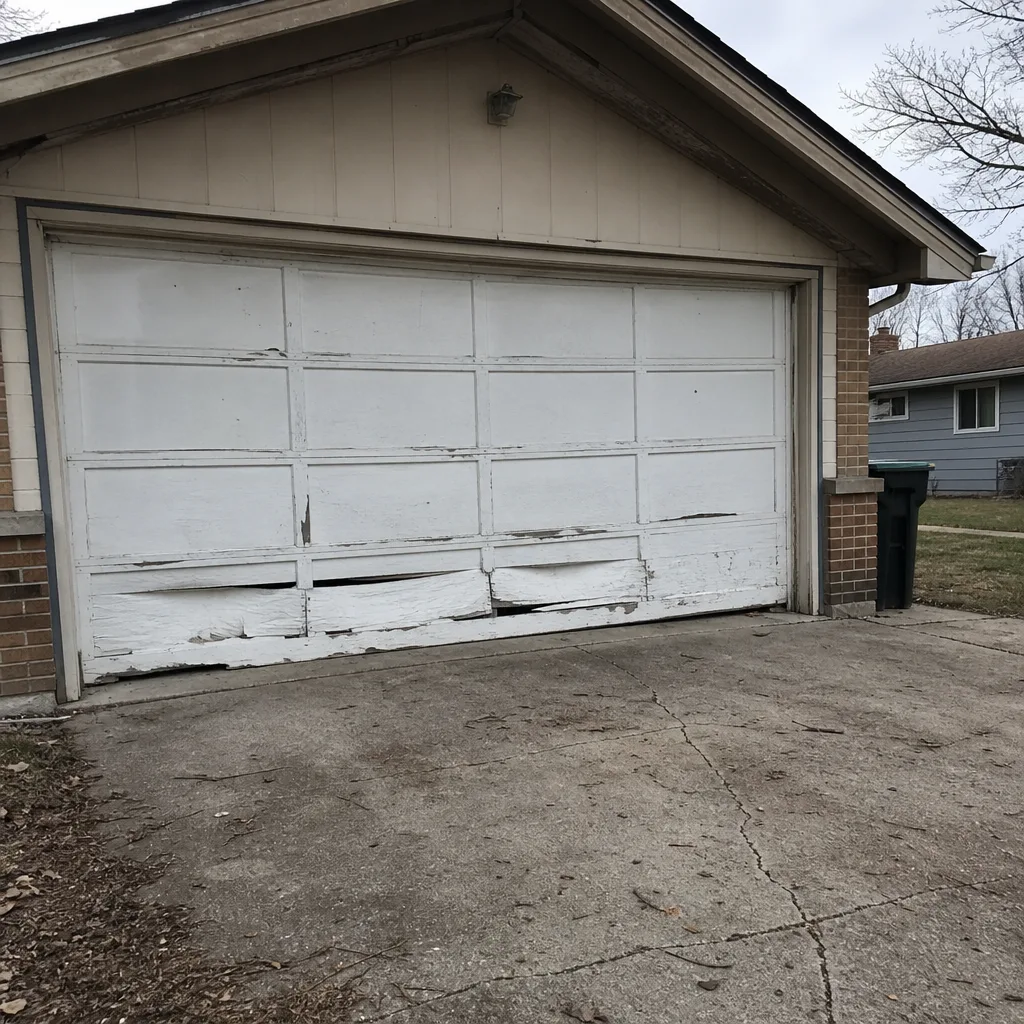 Before
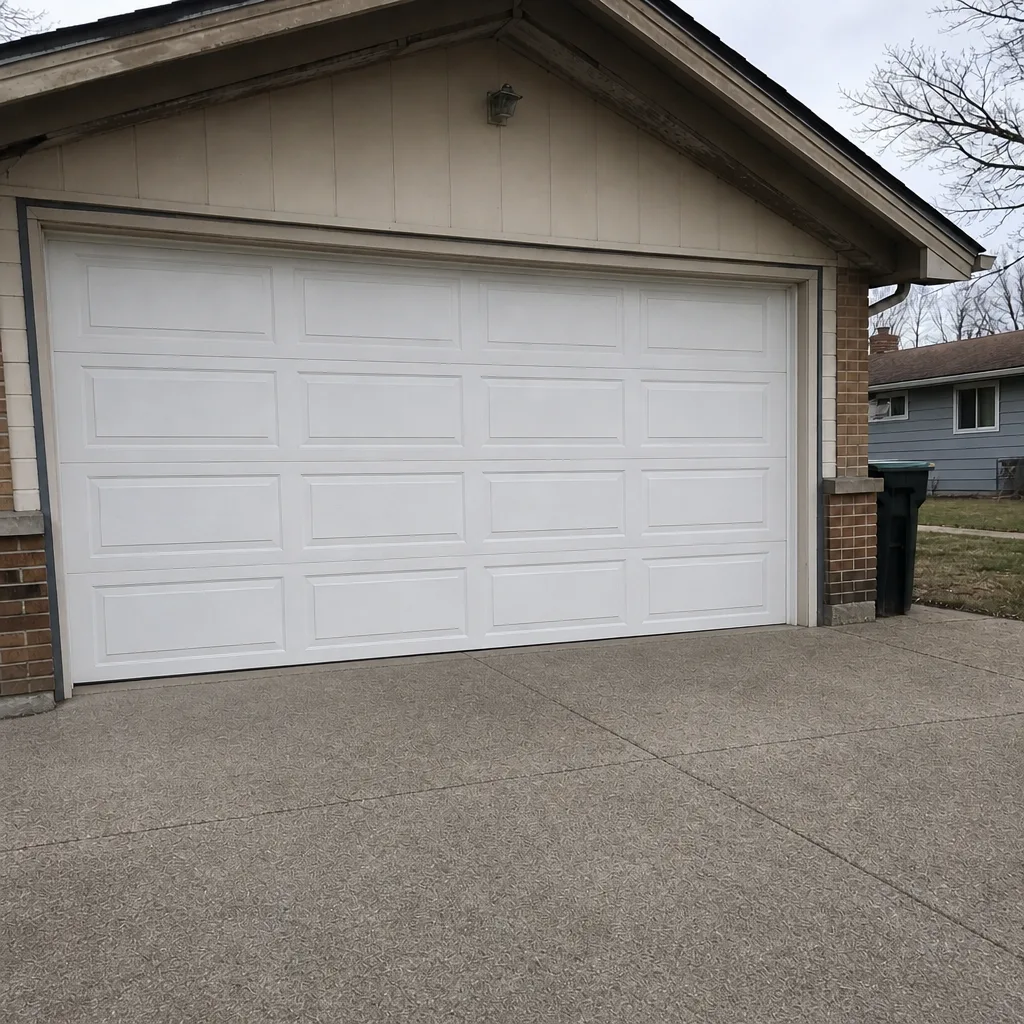 After
When to Call a Professional
Some of this work is genuinely dangerous and shouldn’t be handled by anyone without training. Torsion and extension springs are under extreme tension and can cause serious injury if they fail or are released incorrectly. A door that’s balanced on its own but comes down hard, a cable that’s frayed at the drum, or a door that lifts unevenly is in professional territory. So is any electrical work at the panel. If your opener needs a new circuit, an electrician should do it.
Beyond safety, the paperwork questions are worth a call too. If you’re not sure whether your project needs a permit, a contractor who knows the Lansing market can help you sort like-for-like replacement from permitted change, and can tell you when an opener install crosses into electrical work. Crossroads Garage Door Repair offers free estimates in Lansing – call (833) 673-0891. We answer 24/7. Fast dispatch from 7am to 7pm, Sunday through Friday. The price is quoted and agreed before any work starts, and our written estimate sets the final price.
Frequently Asked Questions
Usually not, if it’s a true like-for-like replacement – same size, same weight class, same opening, no structural or electrical change. If the new door is a different size, a heavier model, or requires framing changes, plan on a permit from the City of Lansing building department. The safe move is to call the building department with your door’s current and proposed dimensions before signing a contract. Call (833) 673-0891 for a free estimate if you want a contractor’s read on whether your project is a like-for-like swap.
It depends on the wiring. Swapping an opener that uses the existing outlet and wiring typically doesn’t need an electrical permit. Running a new circuit from the panel, replacing undersized or damaged wiring, or adding new outlets for smart accessories usually does, and in Lansing that work belongs with a licensed electrician who pulls the permit. Ask the electrician directly before the opener is installed.
It means the new door fills the same opening, at the same weight class, with the same material and configuration, mounted on the same track and support structure. Changing the size, weight, or panel configuration – or upgrading from an uninsulated door to a heavy insulated model – usually takes the job out of the like-for-like category. That’s when a permit conversation starts.
It can. A title search pulls municipal permit records, and an open permit or an unpermitted electrical circuit in the garage can be flagged by a home inspector. Michigan sellers are expected to disclose known conditions that affect the property’s value or safety, and unpermitted work that a seller knows about can become a problem at closing. Keeping the permit paperwork with your home documents is the simplest protection.
Michigan Residential Code requires a fire separation assembly between an attached garage and the living space, and that assembly has to be maintained when work is done on the door or the wall around it. Any door in that assembly must keep its fire rating, self-closing hardware has to be maintained, and penetrations through the rated wall have to be sealed. Ask the City of Lansing building department how the rule applies to your specific address before replacing a door that’s part of the separation.
Yes. A heavier door loads the springs and the opener more than the original equipment was sized for, which causes faster wear and poor balance – especially in a Lansing winter. When you upgrade to a heavier door, the springs and opener need to be re-matched to the new weight. That’s a job for a professional, not a DIY swap, and the weight change is also what moves the project out of the like-for-like category. Call (833) 673-0891 for a free estimate on re-matching your springs and opener.
The Bottom Line
Most garage door work in Lansing doesn’t need a permit. The projects that do – size changes, weight changes, structural framing, new electrical circuits, and anything touching the fire separation between an attached garage and living space – are the ones that cause problems later, at inspection or at closing, when the correction is more expensive than the permit would have been. Ask the City of Lansing building department directly. Ask your contractor whether the job stays in the repair category or crosses into permitted work. Keep the paperwork. And when a job genuinely needs a professional – springs, cables, structural changes, electrical – call one rather than learning the hard way.
For garage door repair, opener repair, or a full installation in Lansing, call Crossroads Garage Door Repair at (833) 673-0891 for a free estimate. We work on what you already have, whichever brand it is, and we’ll tell you honestly whether your project needs a permit before any work begins. We answer 24/7. Fast dispatch from 7am to 7pm, Sunday through Friday. The price is quoted and agreed before work starts, and our written estimate is the final price.
For more on the services behind this guide, see Crossroads Garage Door Repair and our Lansing page.
Written by the team at Crossroads Garage Door Repair.