
Last updated November 15, 2026
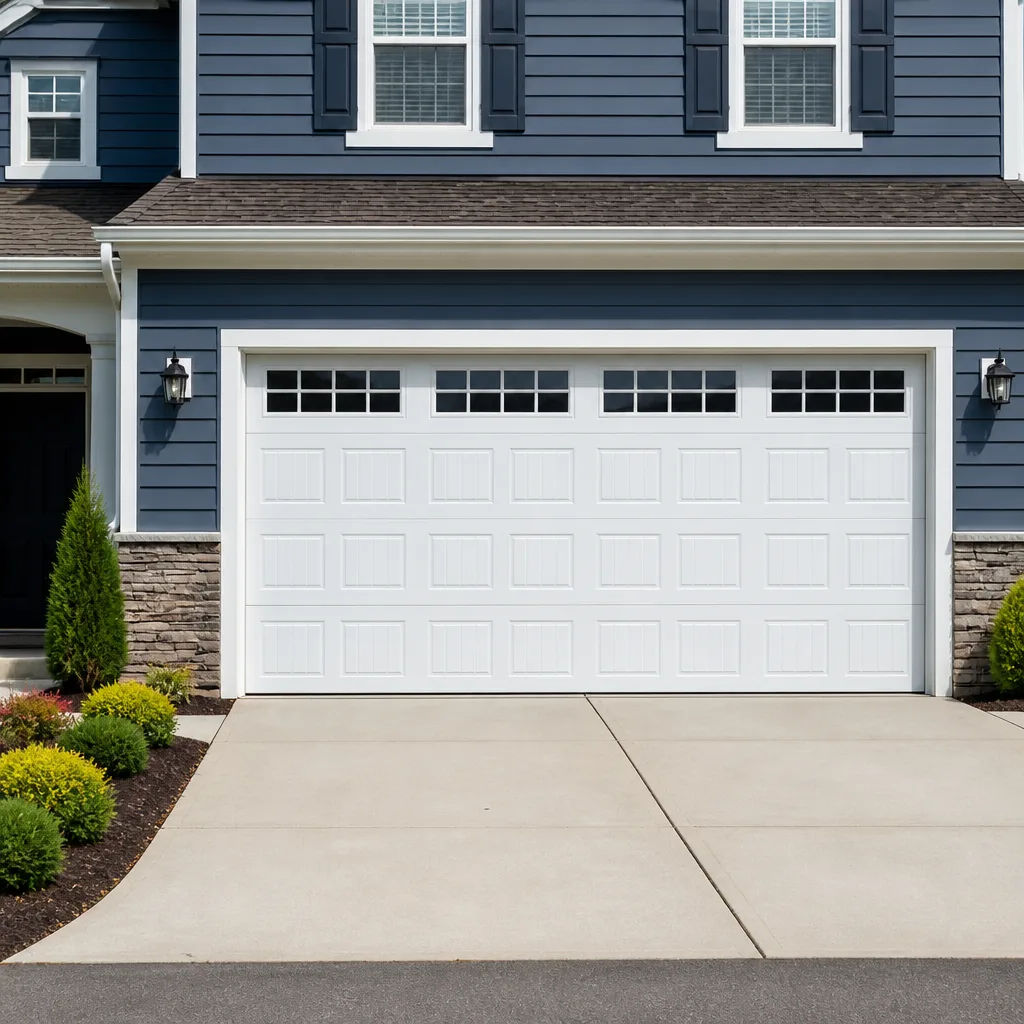 Raised-panel steel
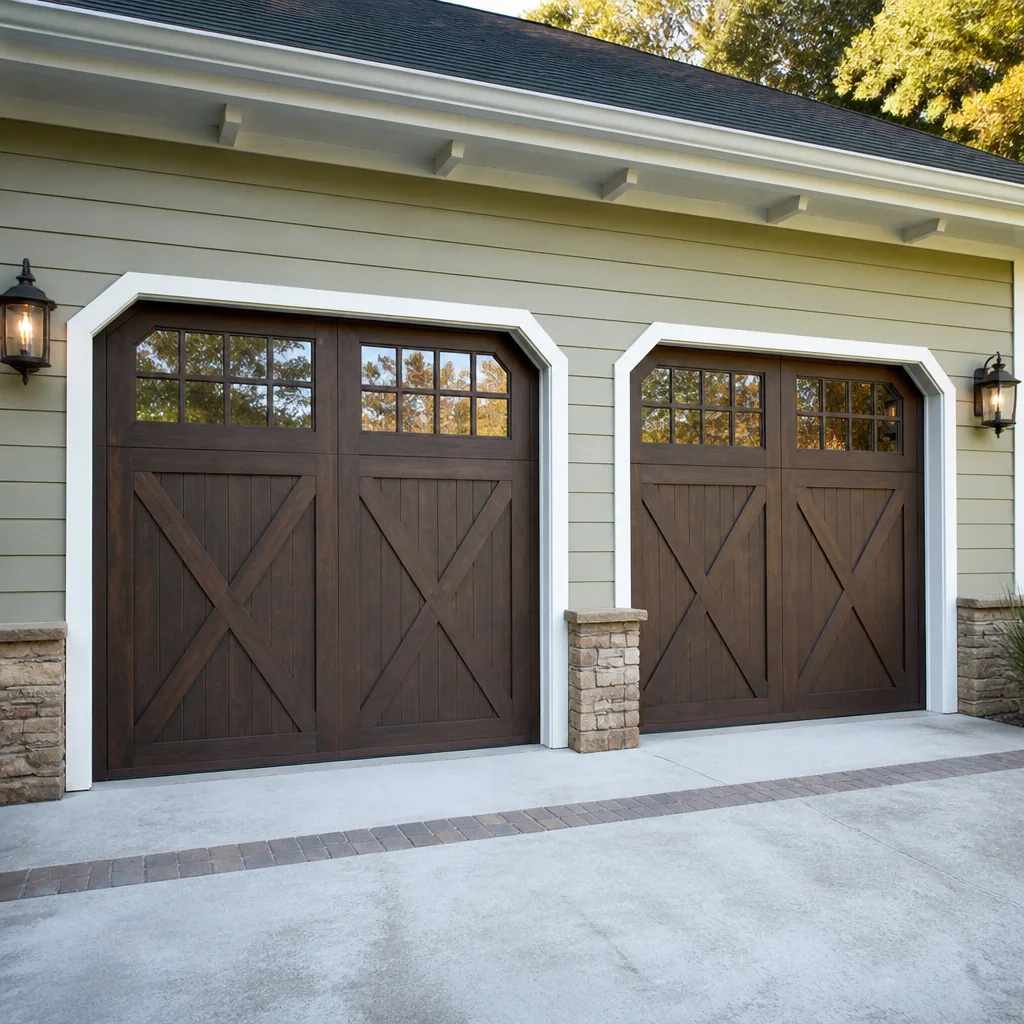 Carriage house
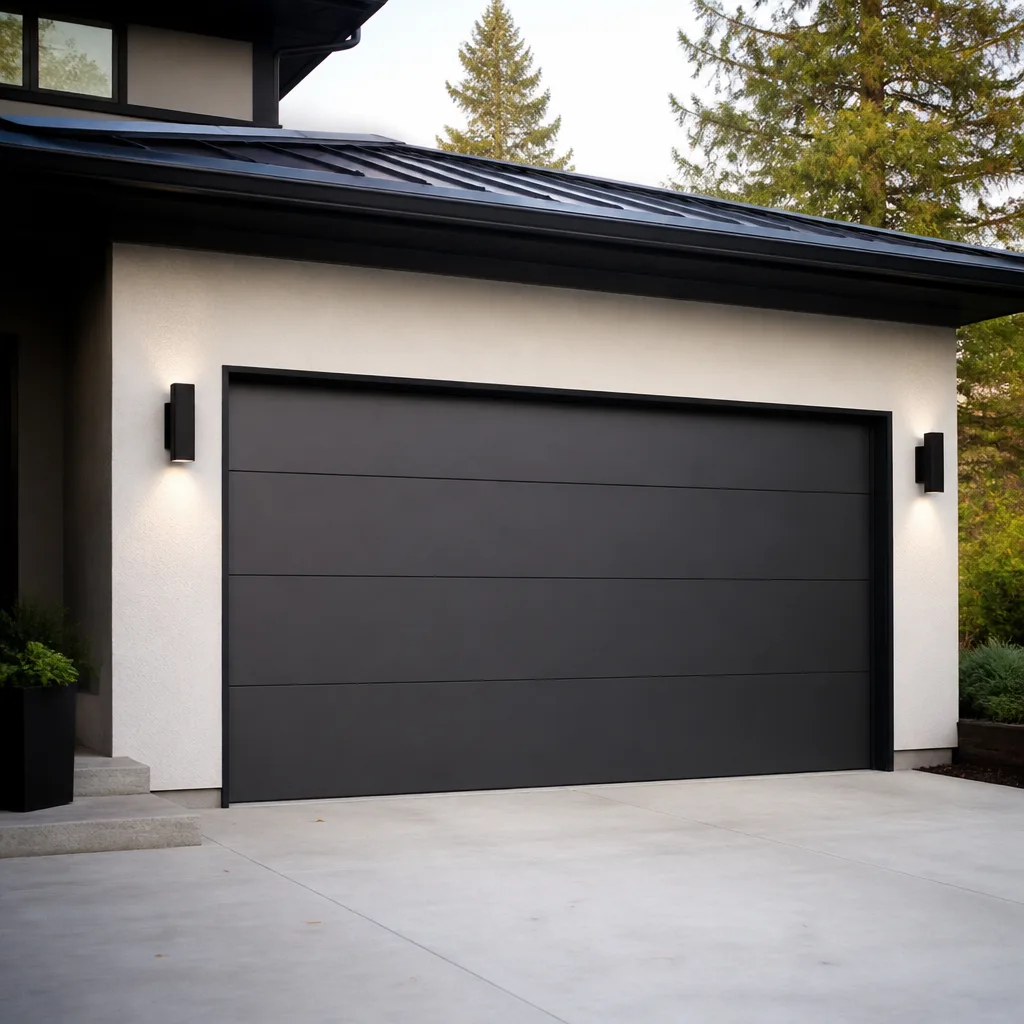 Modern flush
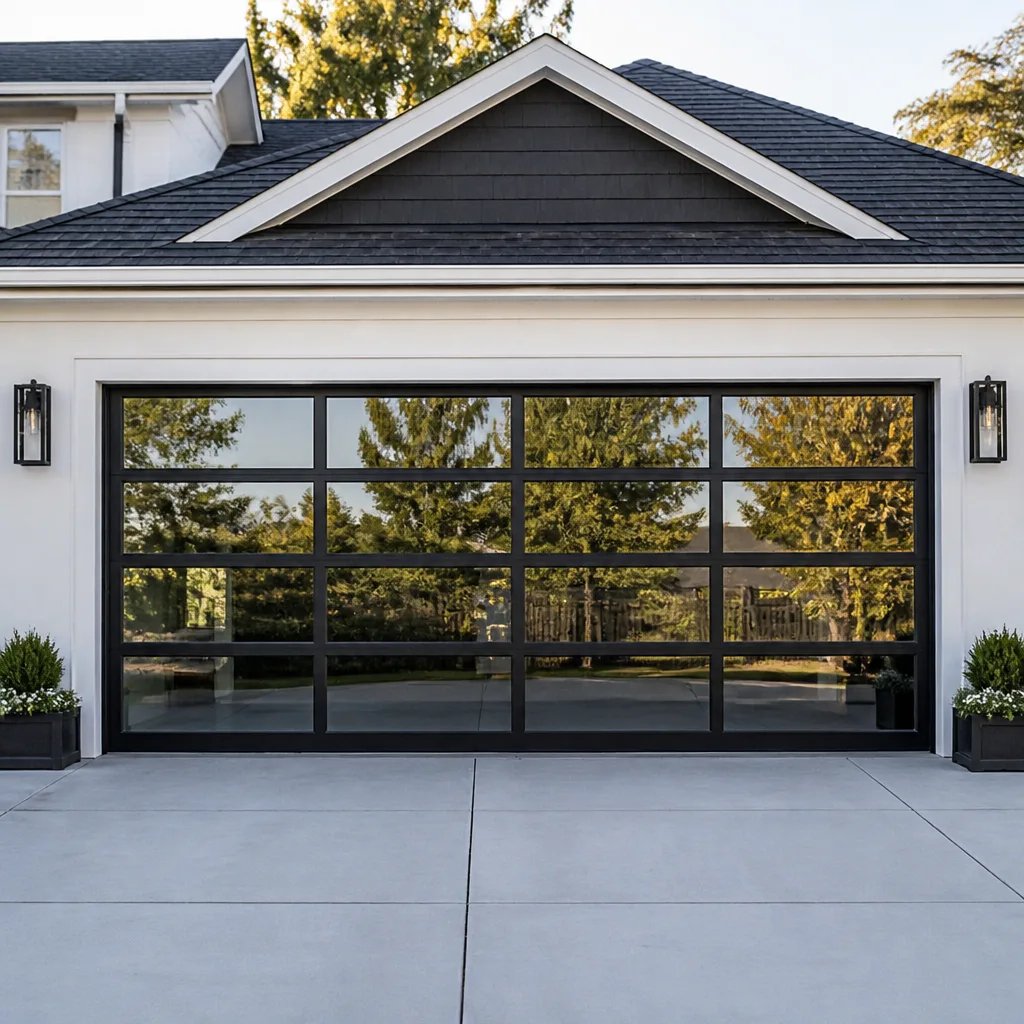 Full-view glass
 LiftMaster openers
 Chamberlain openers
Full 25-point door and opener safety check with every visit - springs, cables, rollers, tracks, and your LiftMaster or Chamberlain opener included
You get a price before we start. It does not change when the pro arrives.
Get your free estimateGarage Door Repair Maintenance Schedule: What to Do and When
Most homeowners treat garage door maintenance as one annual appointment and assume that covers it. It doesn’t. Your door and opener together make up 12 to 15 moving parts, and those parts wear on wildly different schedules. Springs track cycles. Rollers track cycles. Weather seals track seasons. A single yearly service means you’re always late on something. In this guide, we break the work down the way a technician actually thinks about it: monthly walk-arounds, seasonal checks timed to mid-Michigan winters, and annual deep inspections with real tolerances. By the end, you’ll know what to look at yourself in Lansing and what genuinely needs a trained eye.
Quick Answer
Follow a three-tier garage door maintenance schedule: a quick monthly inspection (lubrication, balance test, visual check of cables and springs), a seasonal check before and after winter (bottom seal compression, track debris, weather stripping), and an annual deep service (cable inspection at the drum and bottom bracket, hinge and roller wear, opener force and safety-reverse testing). Springs and rollers should be tracked by cycle count, not by calendar year. Skipping lubrication alone can cut spring and hardware life noticeably, and it does so with no warning sound.
Styles & brands we work with
- Raised-panel steel
- Carriage house
- Modern flush
- Full-view glass
- LiftMaster openers
- Chamberlain openers
Table of Contents
- Why Your Garage Door Needs a Schedule, Not a Service Call
- Cycle-Based Thinking: Estimate Your Door’s Real Wear
- The Monthly Ten-Minute Walk-Around
- The Right Lubricant for Lansing Winters
- What to Inspect Before and After a Michigan Winter
- Annual Cable Inspection: Monitoring vs. Immediate Replacement
- Opener Maintenance and Brand-Specific Warranty Traps
- Common Mistakes to Avoid
Why Your Garage Door Needs a Schedule, Not a Service Call
When a door fails, it’s rarely a surprise to the parts themselves. The spring broke because it hit its cycle limit. The roller seized because it ran dry for two winters. The cable frayed because a drum filled with grit. Calling a repair company only when something snaps means you’re always reacting to wear that was visible weeks earlier.
A schedule flips that. Instead of asking “when was the last time we had the door looked at,” you’re asking “which parts are due.” That’s a different question, and it produces a different repair bill. In our experience around Lansing, the doors that go longest between failures are the ones where the homeowner knows the age of the springs, the last lubrication date, and whether the bottom seal still touches the floor.
Three tiers work for almost every residential door:
- Monthly (about ten minutes): balance test, visual scan of cables and springs, listen for new sounds.
- Seasonal (spring and fall): lubrication refresh, seal and track inspection, weather-stripping check.
- Annual (or by cycle count): full hardware inspection, cable assessment, opener force and safety testing.
Doing the monthly and seasonal work yourself is reasonable and useful. The annual tier is where you want a professional, because cables and springs are load-bearing and genuinely dangerous to handle. If a repair or inspection reveals something beyond your comfort level, we’re a phone call away. You can reach our garage door repair team across the Lansing area whenever the schedule calls for it.
One more framing point: maintenance isn’t a single product you buy once. It’s a routine. The point of this guide is to give you the routine with specific goals to check against, not a vague reminder to “keep it maintained.”
Cycle-Based Thinking: Estimate Your Door’s Real Wear
A “cycle” is one open plus one close. Garage doors are rated in cycles, not years, and that’s the only honest way to know when a spring or roller is nearing replacement. Two identical doors in the same Lansing neighborhood can wear at very different rates, because a household that leaves twice a day uses its door far less than a household that comes and goes all morning.
Here’s how to estimate your own cycle count:
- Count daily openings. A typical routine (out in the morning, back mid-day, out again, home at night) is about four cycles a day. A remote worker might be two. A house with teenagers and a dog could be eight or more.
- Multiply by days. Four cycles a day, most days, is roughly 1,400 cycles a year. Eight cycles is closer to 2,900.
- Apply it to your spring. A standard torsion spring is commonly rated around 10,000 cycles. At four cycles a day, you’re looking at roughly 14 years of spring life. At eight cycles a day, that drops to about seven.
- Apply it to rollers and hinges. These aren’t load-bearing the way springs are, but they wear out faster and produce the most noise and friction. They typically warrant attention long before the spring does.
That math is worth keeping. It tells you the order in which your door’s parts will need replacing, and roughly when. A door that’s on its second spring but original rollers is likely noisy and strained. A door with fresh rollers and a tired spring will feel heavy and sluggish. Matching the schedule to the parts is where the savings live.
For doors in Lansing, cycle count matters more in practice than “years since the last service” because it doesn’t lie. You know how often your door opens. That’s a real number you can plan around.
The Monthly Ten-Minute Walk-Around
This is the routine most homeowners skip and later regret. It takes ten minutes, it doesn’t require tools beyond your eyes and your hands, and it catches the small stuff before it becomes expensive. Do it once a month, on a routine day, not in a hurry.
Run through this checklist with the door in the closed position first:
- Look at the springs. Torsion springs (the coil above the door) or extension springs (the pair running along the sides) should look whole. Any visible gap, kink, or stretched section is a red flag.
- Look at the cables. Both run from the bottom corner bracket up to the drum. Fraying, broken strands, or slack are warning signs.
- Scan the tracks. Small debris (leaves, grit, small toys) at the bottom of the vertical track is common and easy to clear with a hand or vacuum. Anything bent or clearly out of alignment needs attention.
- Test the balance by hand. With the door closed, disconnect the opener (there’s usually a pull cord), and lift the door to about waist height. It should feel manageable, and it should hold roughly where you leave it. A door that drops is a sign of spring or cable trouble.
- Check the bottom seal. Close the door and look for daylight under it. The seal should touch the floor all the way across. A seal that’s sagging in the middle or pulling away at one end lets weather and small animals in.
None of these require you to touch a loaded spring or a taut cable. Lifting the door to waist height and setting it down is safe for most adults. Disconnecting it fully, lubricating, and re-engaging the opener is also safe if you do it calmly and stop as soon as something feels wrong.
The monthly walk-around is your early warning system. Anything unusual that shows up on the list deserves an annual-tier inspection sooner than annual. In Lansing, where winter temperatures routinely drop below 10°F, that warning often comes from a door that suddenly runs slower or noisier.
The Right Lubricant for Lansing Winters
Lubrication is the single most-skipped maintenance task on residential garage doors, and in cold climates it matters more than anything else you can do yourself. Michigan winters push basic lubrication to its limits. What works in mild weather may not work at 5°F.
Here’s the short answer technicians use:
- Rollers, hinges, and track bearings: white lithium grease. It stays where you put it, tolerates cold, and doesn’t attract the dust that oil-based sprays attract.
- Springs and hinges (if you choose to lubricate springs at all): a light silicone or lithium spray on the coil, not a heavy grease, and never on the spring wire under tension. Focus on the coil only after the door has been operated to relieve pressure and with the door fully closed.
- What to avoid: generic “garage door spray” that’s mostly silicone on rollers and hinges. It evaporates too fast in cold weather and does nothing to cushion metal-on-metal rolling friction. Lithium grease is the technician’s choice here, and it’s what we use for rollers and hinges.
Lubricate monthly during cold months and every couple of months in milder weather. Wipe off old grease before applying new so dirt doesn’t build up. Use a small brush or rag and apply a thin film, not a blob.
The consequences of skipping go deeper than noise. Every unlubricated cycle is slightly harder on the rollers, the hinges, and the springs themselves. Over a year of cold-weather use, that adds up. Testing and replacing the right parts based on how they actually perform is part of what our garage door opener repair team evaluates when we’re checking the full system, since opener strain often traces back to a stiff door.
What you don’t want to do: spray anything into the hollow center of a torsion spring, coat the cables with grease, or use WD-40 as a long-term lubricant. The first can trap grit, the second attracts dust that abrades the cable, and the third is a water displacer, not a lasting lubricant.
What to Inspect Before and After a Michigan Winter
Mid-Michigan winters are the hardest test your garage door faces, and the two inspections that matter most bracket the season: one in late fall, one in early spring. Each takes about twenty minutes and each targets different things.
Before winter (late fall):
- Lubricate everything that moves. Rollers, hinges, tracks, and bearing plates. Lithium grease on rollers and hinges. Clean tracks, then a very light film of lubricant on the bearing surfaces only, never a greased track.
- Check the bottom seal and the perimeter weather-stripping. The seal should compress firmly against the floor. Weather-stripping along the top and sides should be flexible, not cracked or missing lengths. Cold weather makes brittle seals crack.
- Clear the tracks of debris. Leaves, grit, and small objects at the base of the vertical track cause the door to bind as it comes up.
- Test the door balance. Door should lift smoothly and hold at waist height. If it doesn’t, fix now, not in January.
- Test the opener’s safety reverse. Place a small object (a roll of paper towels works) under the door and close it. The door should reverse on contact. If it doesn’t, stop and call for service.
After winter (early spring):
- Re-check the bottom seal. Compression that was tight in October may have loosened through freeze-and-thaw cycles. If the seal is sagging or separated, replace it before spring rain gets in.
- Inspect cables again. Winter cycling (heavier load, stiffer door) accelerates wear. Fraying that wasn’t there in November may now be visible.
- Clear any grit that worked into the tracks. A winter’s worth of debris is common.
- Repeat the balance test and safety-reverse test. Confirm the door still behaves the way it did in the fall.
The seasonal inspections are simple, and they catch the problems that become expensive repairs later. If something’s beyond a visual check or a simple clear-out, that’s the point to bring in a technician.
Annual Cable Inspection: Monitoring vs. Immediate Replacement
Cables are the part most homeowners overestimate their ability to assess. The right answer is a compromise: you can monitor them, but the call on replacement belongs to a trained eye. Here’s how to tell the difference.
What monitoring looks like:
- A single slightly frayed strand at the very bottom of the cable where it enters the bottom bracket is often acceptable to monitor. Photograph it and check it again in a month.
- Surface rust on the cable without broken strands is generally a monitoring item, especially on a younger door.
- A cable that looks slightly slack when the door is fully closed (before any lift) is a monitoring item.
What requires immediate professional attention:
- Fraying at the drum: the cable spiraling into the drum above the door. Wires that are separating there are under load and getting worse on every cycle. Stop using the door.
- Fraying at the bottom bracket: the plate at the lower corner of the door. This is a point of high stress, and a partially failed cable there can unspool suddenly.
- Stretched or kinked cable: anything that looks like a wave or a loop rather than a taut line.
- Any visible broken strands in more than one place. The cable is failing; don’t wait.
- Asymmetric behaviour: the door rising crookedly, or one side looking tighter than the other. This can indicate cable or spring imbalance and should be inspected promptly.
Cables are load-bearing. We never recommend do-it-yourself replacement, and we never describe step-by-step replacement methods, because a cable that releases under tension can cause serious injury. If you find any of the immediate-attention signs, stop using the door and call for a professional assessment.
One more note for Michigan: road salt tracked into a garage in winter can accelerate cable corrosion. If your garage floor regularly collects slush and salt, your annual cable inspection should happen more often than once a year. Our team at Crossroads Garage Door Repair can inspect cables, drum, and bottom bracket in one visit.
Opener Maintenance and Brand-Specific Warranty Traps
Openers are simpler than most of the door, but they have their own maintenance requirements, and skipping or botching them can void coverage on specific brands. The two tasks that matter most are the force adjustment and the safety-reverse test.
- Force adjustment: the opener has a force limit that tells it how hard to push before recognizing an obstruction. Too high and it risks crushing; too low and it reverses on its own. Most openers should be adjusted so the door closes firmly but reverses easily on contact.
- Safety-reverse test: the object-under-the-door test described earlier. Should be done monthly. A safety-reverse that fails is a genuine safety issue, not a cosmetic one.
- Photo-eye alignment: on openers with safety sensors, misaligned or dusty lenses cause the door to refuse to close. A quick cleaning and re-aim is often all that’s needed.
Warranty traps vary by brand. Genie and Chamberlain openers typically have conditions about professional installation or service for warranty claims. Clopay and Amarr doors often have clauses about maintenance records. Wayne Dalton has had inconsistencies in how warranties are applied across product lines. The pattern is consistent enough that we recommend keeping a simple service log: what was done, when, and by whom. That log is what a warranty claim actually asks for.
If your opener is a smart or Wi-Fi-enabled model and you’re noticing app disconnects or missed commands, that’s a different issue than mechanical strain. It often traces back to firmware or network conditions rather than the door itself. We handle both, across mechanical and connected models, and one call covers the door and the opener without handing you off to a second company.
Common Mistakes to Avoid
- Treating maintenance as one annual event. Springs wear by cycle count, seals by season, rollers by friction. A single yearly appointment has you perpetually behind on something.
- Spraying silicone or WD-40 on rollers and hinges. Both evaporate quickly in cold weather and do nothing for the metal-on-metal friction that wears rollers out. Use lithium grease.
- Greasing the tracks. The tracks should be clean and dry (with light lubricant on the bearing surfaces only). Greased tracks collect grit, and the door binds even worse.
- Using a cold-stiff door as an excuse to crank up the opener force. If the door is binding, find and fix the bind. Raising force on the opener hides the problem and puts stress on the springs.
- Ignoring a slightly frayed cable. Small fraying at the drum or bottom bracket gets worse on every cycle and can unspool with no warning. Don’t wait for it to fail.
- Assuming “noise” is normal. A well-lubricated door is quiet. Noise is information: it tells you where friction is building.
- Lifting the door all the way by hand to “test” the springs. Waist-height is enough. Full-range hand lifts on a door with a compromised spring can be genuinely dangerous and don’t reveal anything you can’t learn from the shorter lift.
Every one of these mistakes appears regularly in Lansing service calls, and each one costs more the longer it goes uncorrected. The good news is that none of them are subtle once you know what to look for.
See the difference
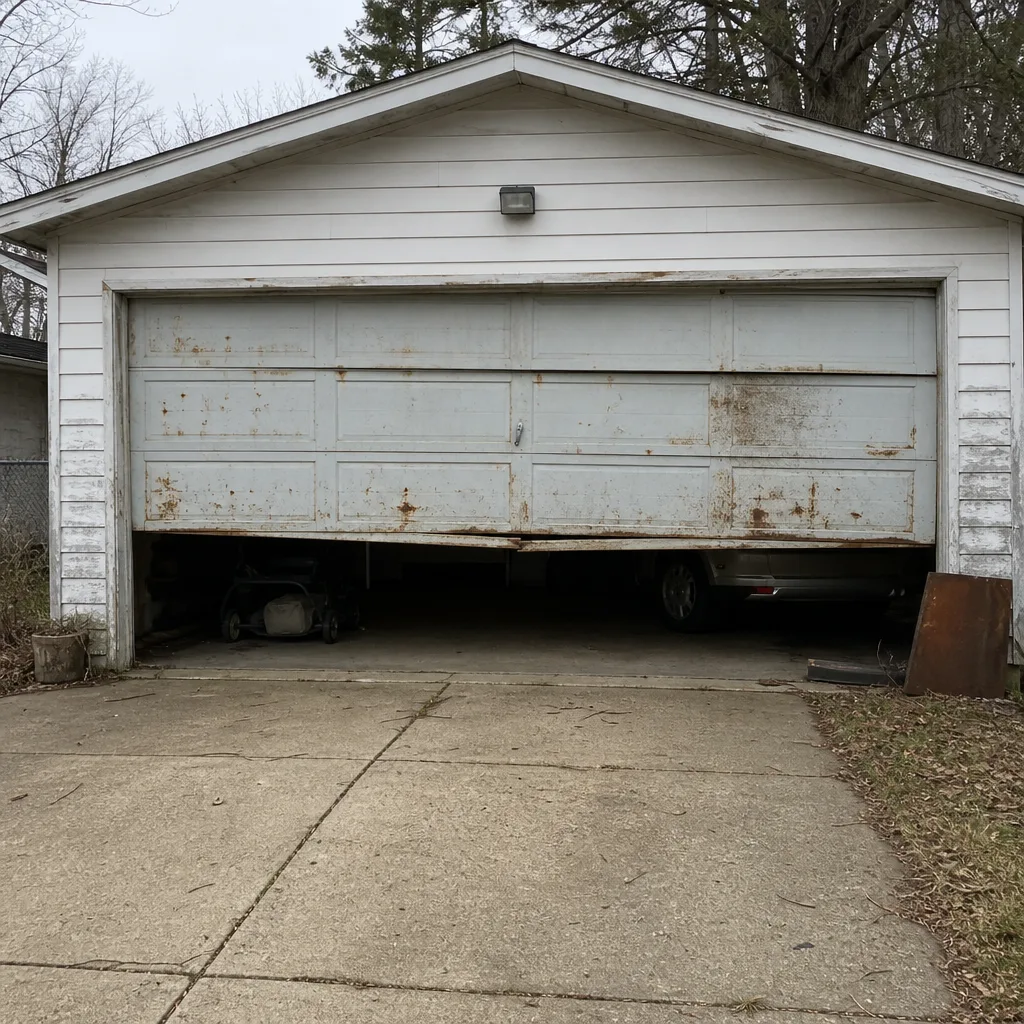 Before
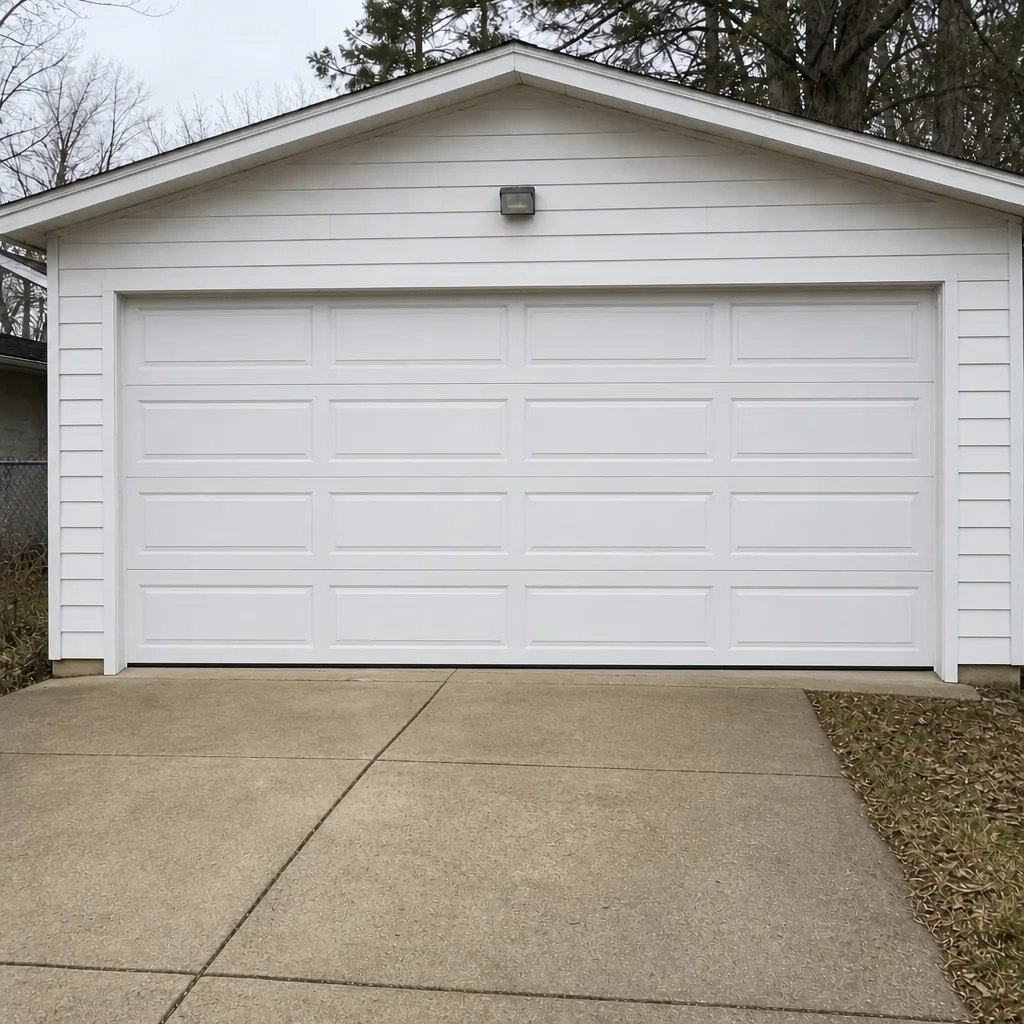 After
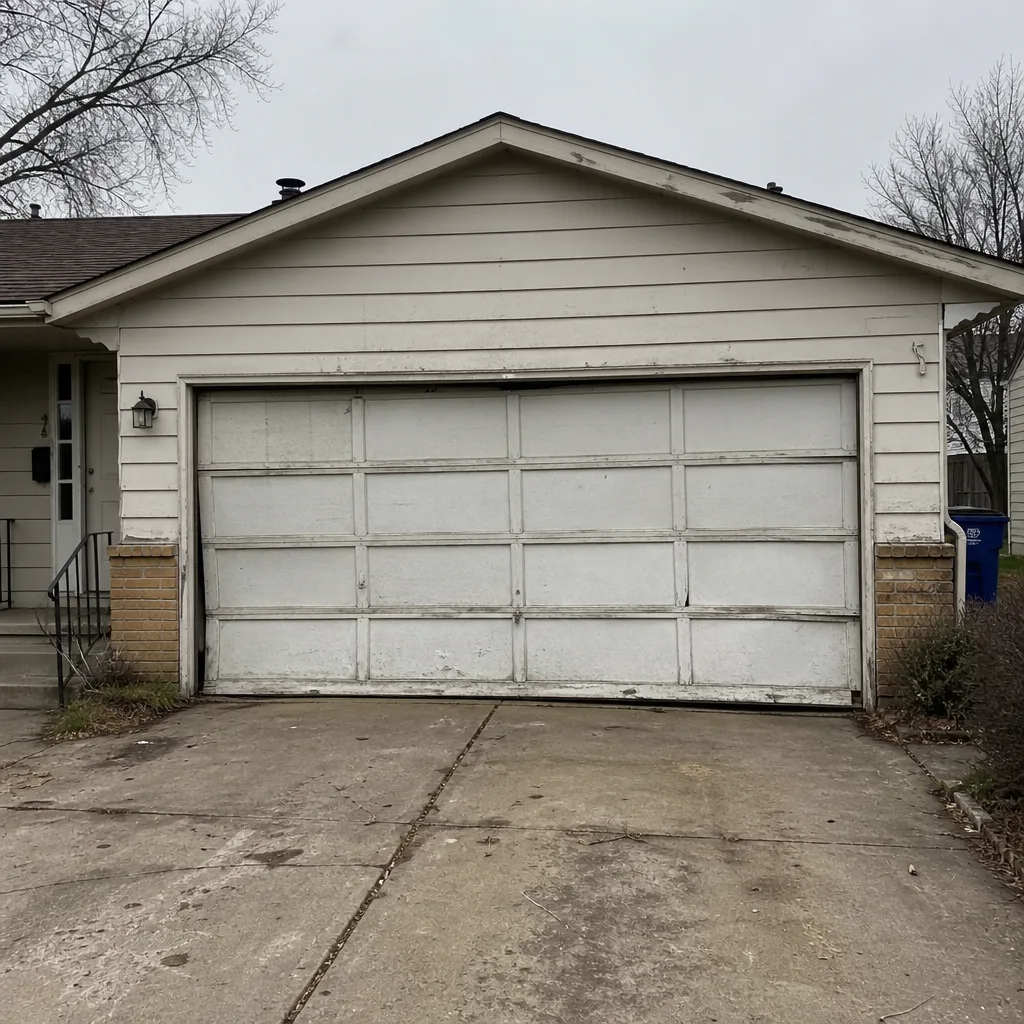 Before
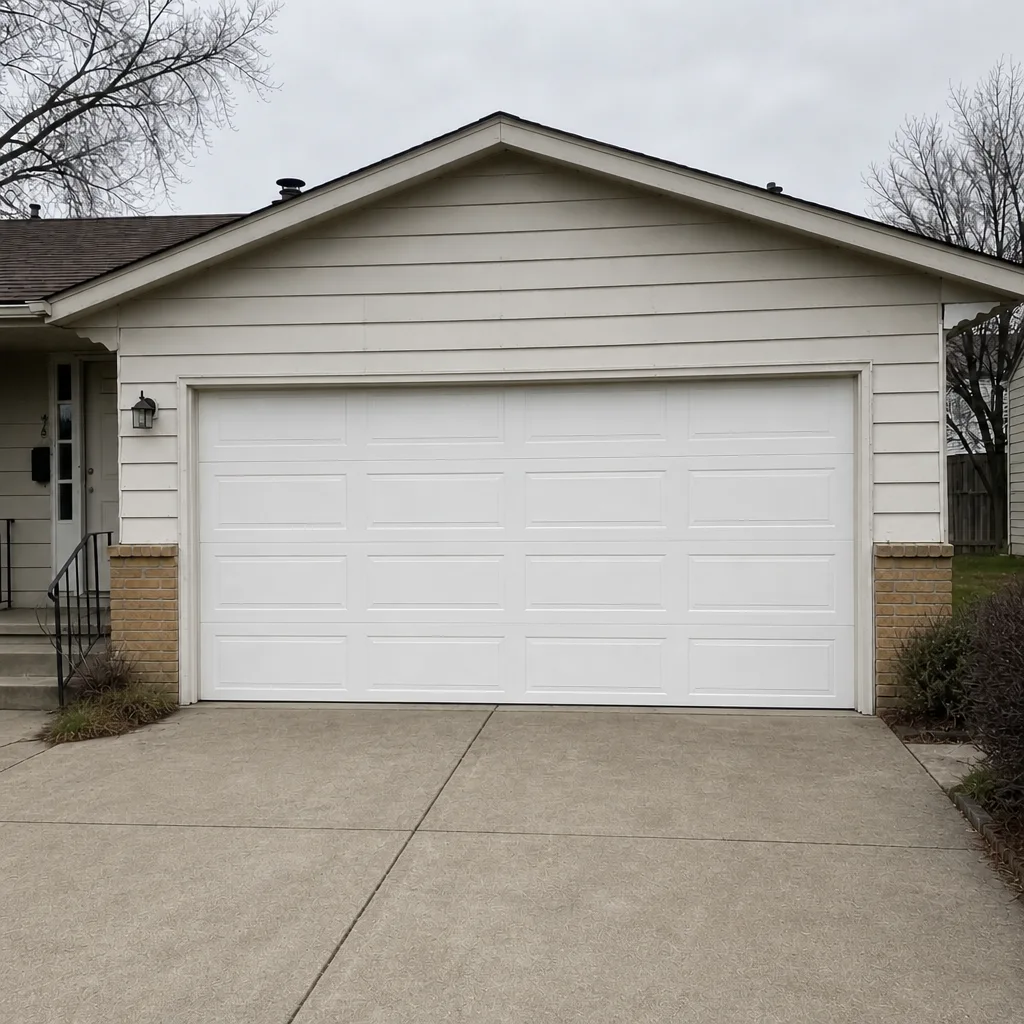 After
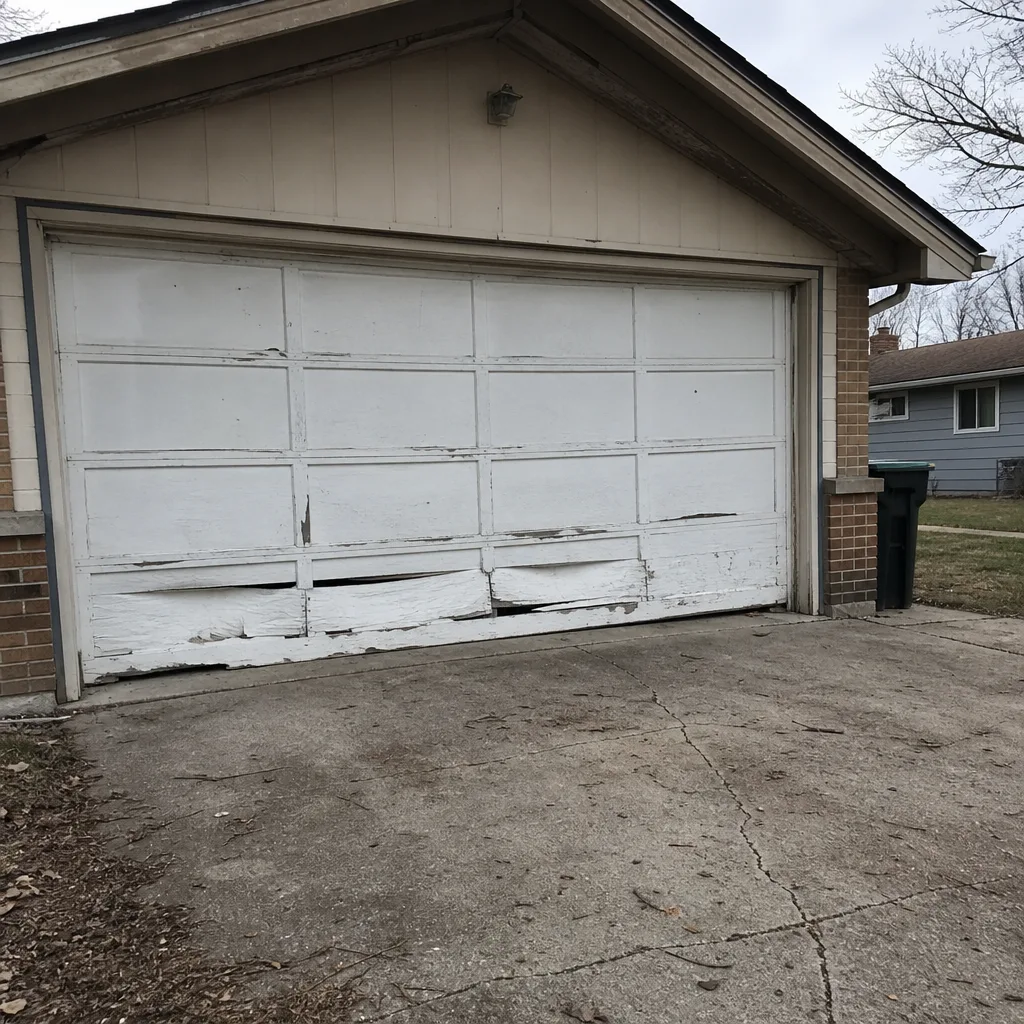 Before
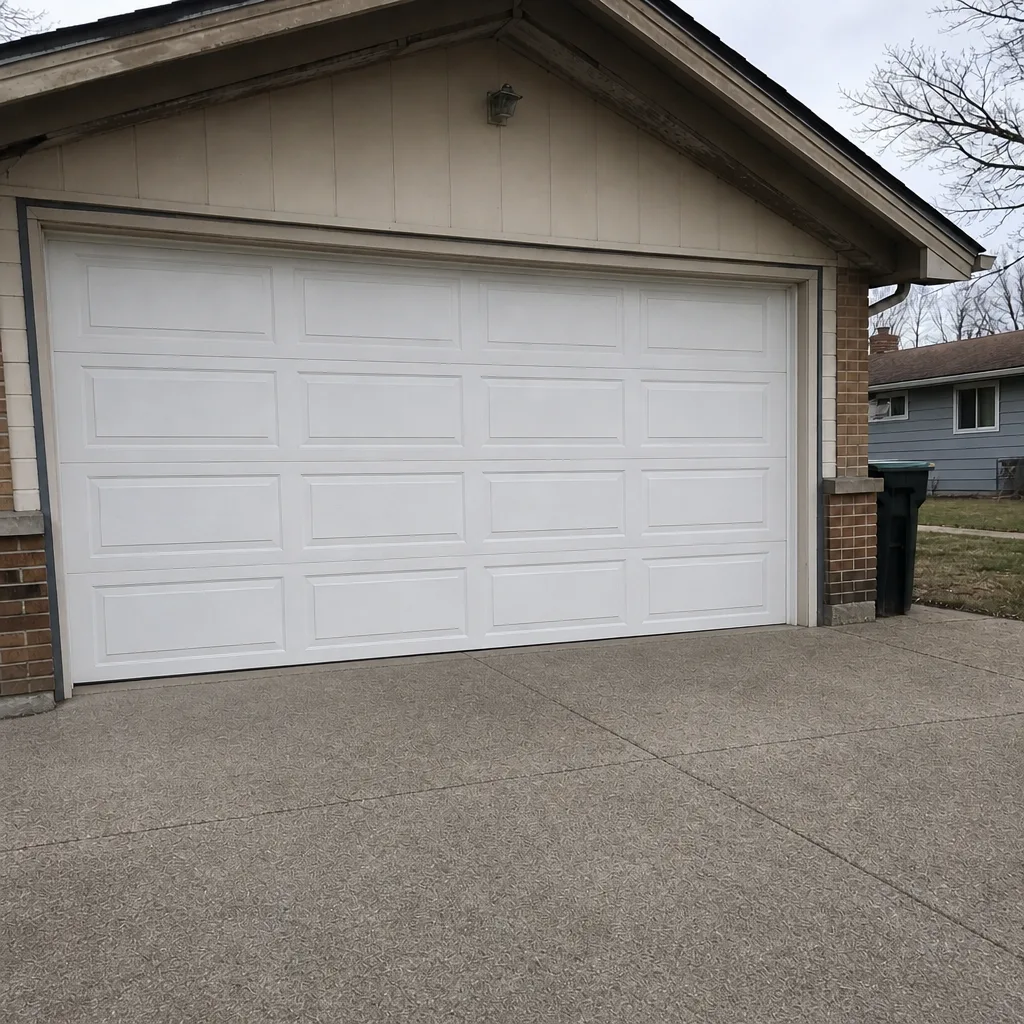 After
When to Call a Professional
Some tasks belong on your calendar. Others belong to a technician. Call a professional when you see: any visible gap, kink, or break in a spring; fraying at the drum or bottom bracket; a door that drops instead of holding at waist height; a door that rises crookedly; a safety-reverse that fails; a cable that looks kinked or slack; or any noise that new lubrication doesn’t fix. Also call if the door feels heavy when lifted, or if you hear a pop and the door won’t move.
We handle everything from a single failed spring to a full inspection. Crossroads Garage Door Repair offers free estimates in Lansing – call (833) 673-0891. We answer 24/7. Fast dispatch from 7am to 7pm, Sunday through Friday.
Frequently Asked Questions
An annual professional service is the practical baseline for most homes, with a spot inspection anytime something in your monthly walk-around looks off. If your household uses the door heavily (four or more cycles a day), you may want it at the top of each season instead of once a year. The written estimate sets the scope, and the annual inspection is where you want a trained eye on cables, springs, and the opener.
Yes, for rollers, hinges, and the non-load-bearing bearing surfaces, do-it-yourself lubrication is safe and useful. The tracks should be cleaned, not greased. Do not lubricate the hollow center of a torsion spring, do not grease the cables, and do not attempt to relieve or adjust tension on a spring or cable yourself. If a door is stiff even after fresh lithium grease, that’s a sign of a parts or alignment issue and worth a professional look.
Torsion springs (above the door) are the standard on most newer doors and are commonly rated around 10,000 cycles. Extension springs (running alongside the door) typically wear faster and have a shorter service window. Both require professional replacement when they fail or show visible damage, and both benefit from the same monthly visual check and annual inspection. What changes is how often you should be thinking about the timeline.
Yes, mainly through cold-cycle strain on the springs and the door. Cold temperatures make a door heavier, force it against stiffer seals, and dry out lubrication faster. That’s why the pre-winter lubrication refresh and the post-winter seal and track check matter so much. A door that runs well in mild weather can feel noticeably sluggish at 5°F, and that sluggishness is an early signal that parts are wearing.
It can. Warranties on doors and openers from brands like Genie, Clopay, Amarr, and Wayne Dalton vary, and several include conditions about professional service or maintenance records. The safe approach is to keep a written log of what was done and when. If you’re ever in doubt about a specific warranty clause, the manufacturer’s documentation is the authoritative source.
Testing the balance of the door by hand at waist height is safe for most adults. That means: door closed, opener disconnected, lift to waist height, and the door should hold roughly where you leave it. What isn’t safe is attempting to inspect, adjust, or replace a spring under tension. Torsion springs carry significant stored energy, and any adjustment belongs to a trained technician.
The Bottom Line
A garage door lasts longest when maintenance is broken into three tiers: monthly walk-arounds that catch problems early, seasonal checks timed to the Michigan calendar, and an annual deep service that puts eyes on the parts you shouldn’t touch. Track springs and rollers by cycle count, lubricate with lithium grease in cold months, replace frayed cables promptly, and keep a simple service log for warranty purposes. For installations, full replacements, and any repair that involves a spring, cable, or opener adjustment, a trained technician is the right call. If your door is due for its annual inspection, reach out for a free estimate.
To book service or ask a question about your door, call (833) 673-0891. We answer 24/7. Fast dispatch from 7am to 7pm, Sunday through Friday.
Written by the team at Crossroads Garage Door Repair.