
Last updated November 15, 2026
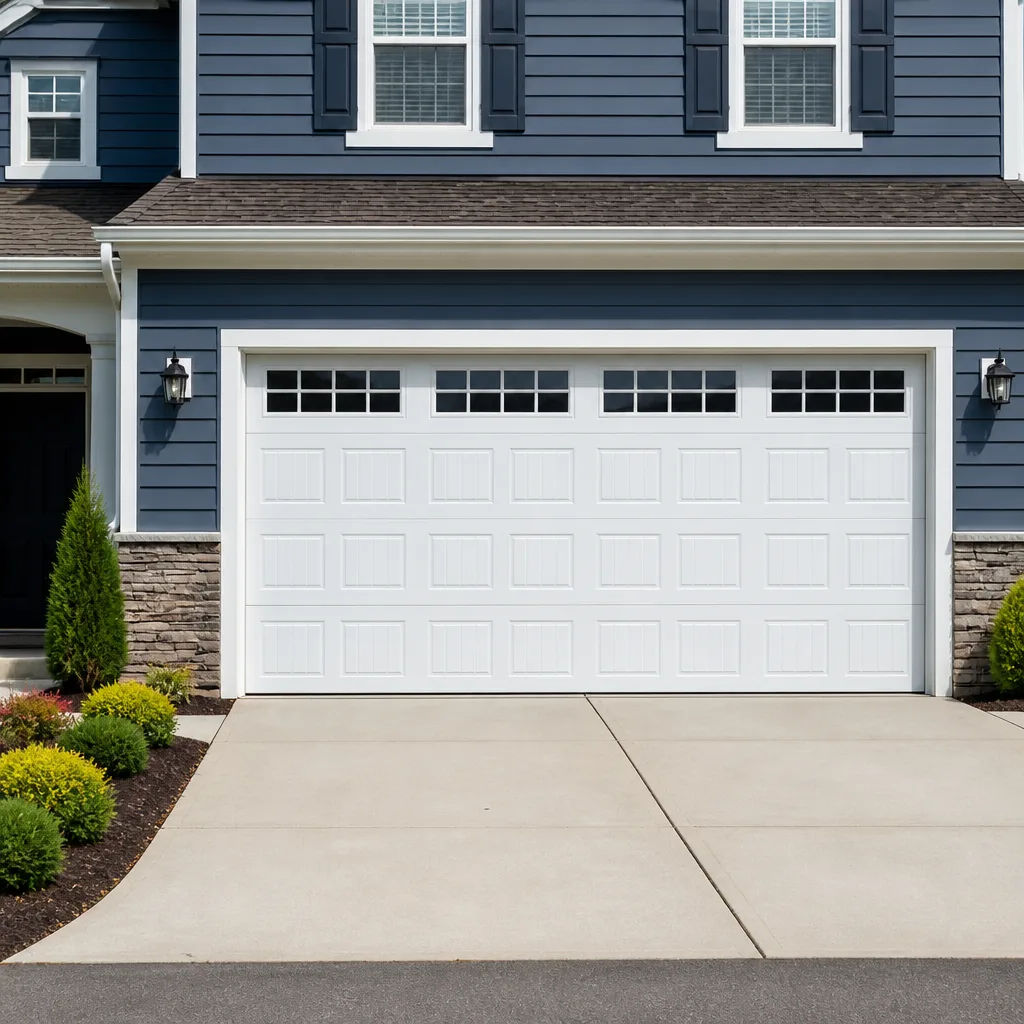 Raised-panel steel
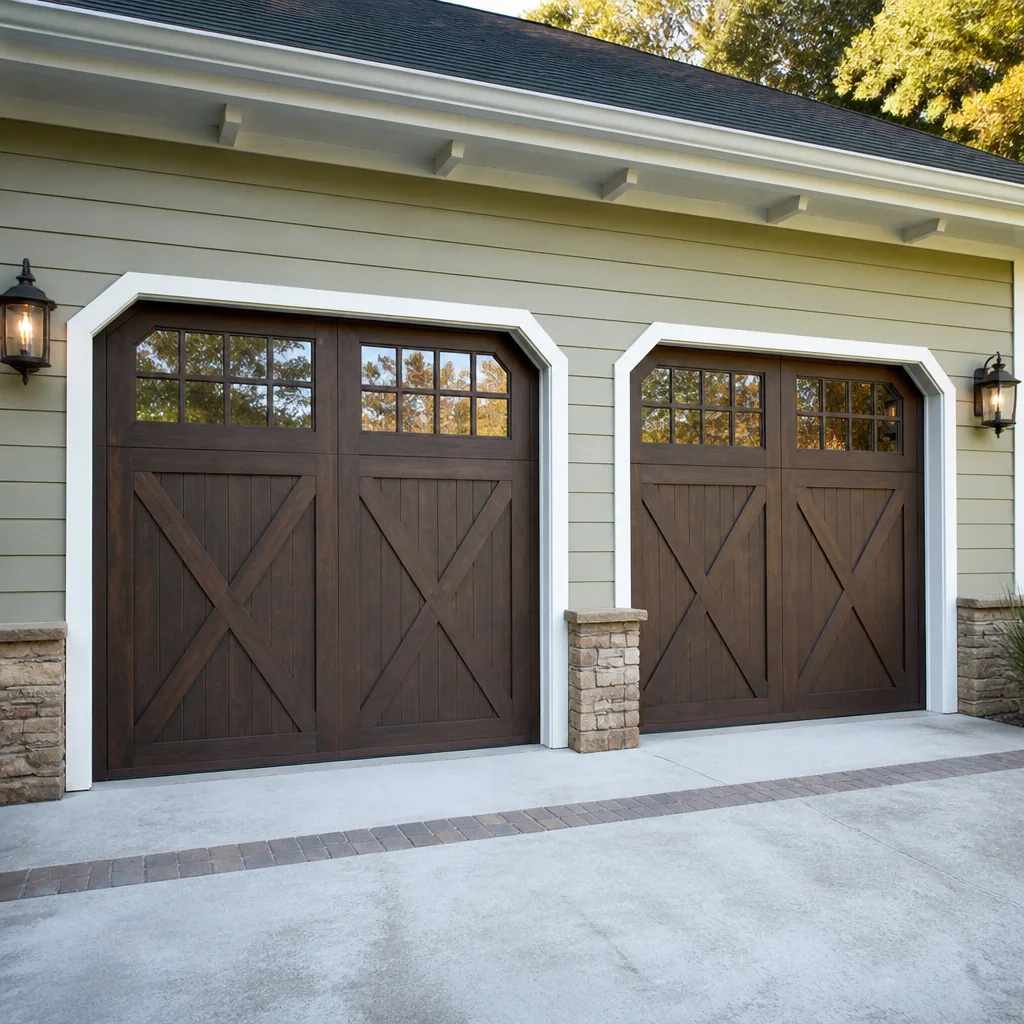 Carriage house
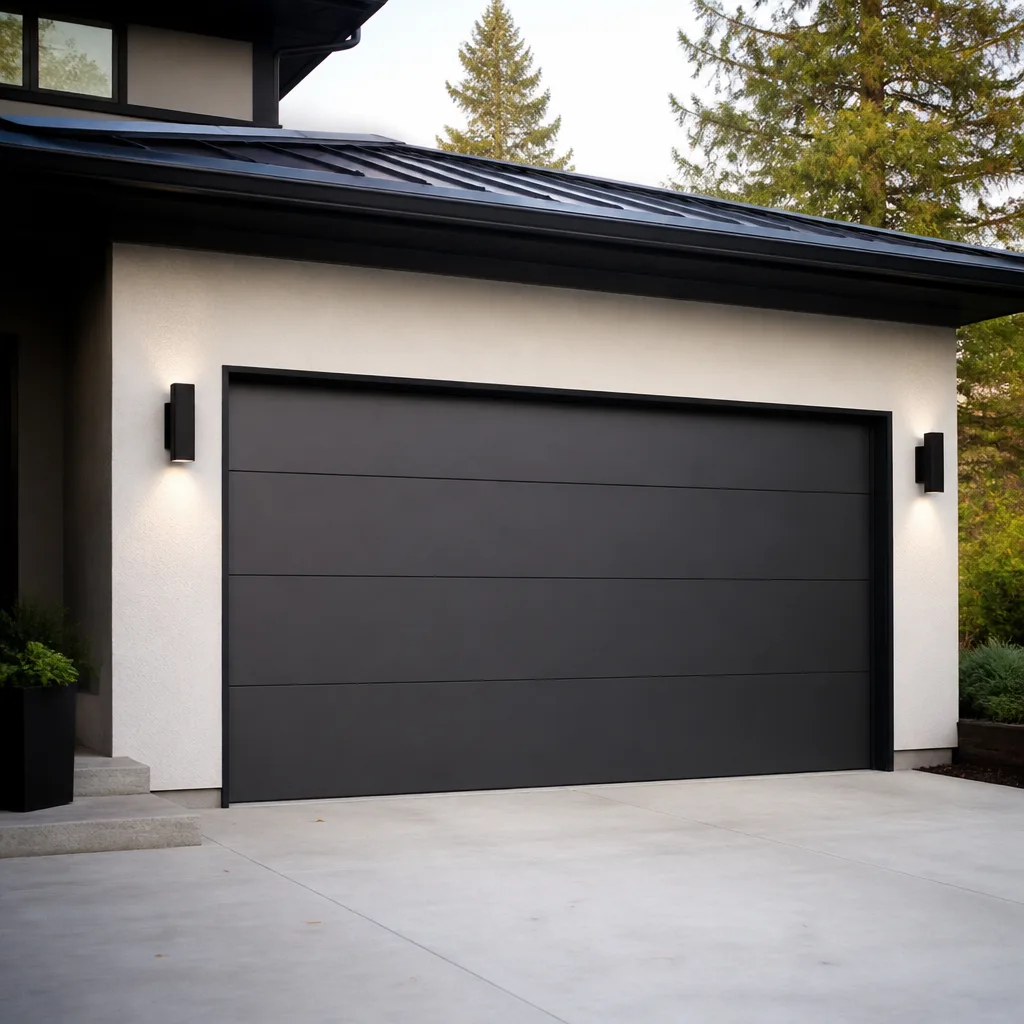 Modern flush
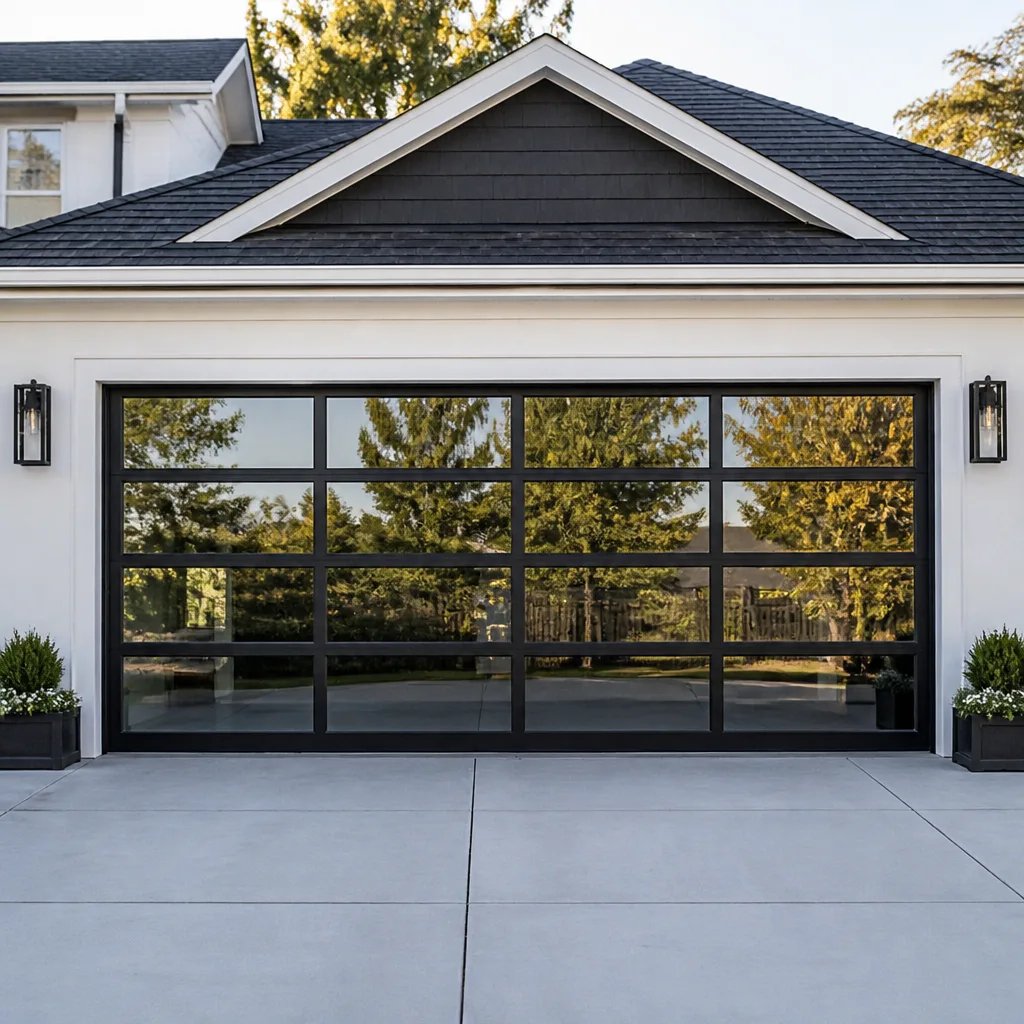 Full-view glass
 LiftMaster openers
 Chamberlain openers
Full 25-point door and opener safety check with every visit - springs, cables, rollers, tracks, and your LiftMaster or Chamberlain opener included
You get a price before we start. It does not change when the pro arrives.
Get your free estimateGarage Door Repair Troubleshooting in Lansing: Common Problems and How to Fix Them
A door that reverses before it touches the floor and a door that won’t budge at all look like two completely different emergencies. Most of the time they trace back to the same misaligned photo-eye, and the correction takes about ninety seconds. That gap between what a garage door sounds like and what’s actually wrong is where Lansing homeowners lose money, because a misread symptom sends you toward the wrong fix. This guide maps each behavior to the mechanical system responsible, so you can tell a spring problem from a cable problem from an opener problem before anyone touches the door.
Quick Answer
Most garage door failures come down to one of three systems: the springs, the track and rollers, or the opener. Grinding and binding usually point to the track. A loud bang followed by a door that won’t lift points to a spring. Reversing, blinking lights, or a motor that hums without moving usually points to the opener or its sensors. Match the symptom to the system first, and you’ll know whether you’re looking at a free sensor adjustment or a repair that needs a trained technician.
Styles & brands we work with
- Raised-panel steel
- Carriage house
- Modern flush
- Full-view glass
- LiftMaster openers
- Chamberlain openers
Table of Contents
- Match the Symptom to the System
- Spring Failure vs. Cable Failure: How to Tell the Difference
- How Lansing Freeze-Thaw Cycles Warp Tracks and Wreck Bottom Seals
- Opener Error Codes: What LiftMaster, Chamberlain, and Genie Lights Actually Mean
- The Two-Part Safety Test to Run Every Month
- What You Can Fix Yourself and What You Can’t
- Repair or Replace? How to Decide
- What Garage Door Repair Costs in Lansing
Match the Symptom to the System
Before you call anyone, listen to what the door is doing and where it’s doing it. The location and sound of a failure tells you which of the three systems is at fault more reliably than any online quiz. Here’s how the common symptoms break down.
- Loud bang from above, door won’t lift: torsion spring failure. The door becomes extremely heavy and the opener strains or stops.
- Grinding or scraping as the door moves: track misalignment, worn rollers, or a bent section rubbing the frame.
- Door reverses before closing: photo-eye misalignment, a blocked sensor, or a force setting that’s too sensitive.
- Motor hums but nothing moves: stripped opener gear, a broken drive belt or chain, or a disengaged trolley.
- Door sags on one side: a stretched or snapped cable on that side, or a roller popped out of the track.
- Door opens partway and stops: travel-limit setting drift, or a binding track the opener can’t push past.
- Lights blink and the door won’t respond: sensor obstruction or a logic-board fault in the opener.
Grinding and binding almost always come back to the mechanical track and roller system, not the motor. Reversing and blinking lights come back to the opener’s safety circuit. That’s the first split to make. Once you know whether you’re chasing a mechanical problem or an electronic one, the diagnostic narrows fast. For the mechanical side, our garage door repair service covers tracks, rollers, cables, and springs as one system rather than treating them separately. When the split lands on the motor or its sensors, garage door opener repair is where that work belongs.
One thing trips up a lot of homeowners: an opener that “fails” is often just doing its job. Modern openers are built to reverse on resistance. If a roller is dragging in the track, the opener reads that drag as an obstruction and reverses. The motor isn’t broken; it’s protecting the door. Reading the symptom wrong in that case leads to replacing an opener when a roller and a track adjustment would have done it.
Spring Failure vs. Cable Failure: How to Tell the Difference
These two failures look similar from the driveway and behave completely differently up close. A torsion spring carries the door’s weight by storing energy in a coiled wire above the door. A cable runs the length of each side and connects the door to the spring system or the drums at the top. When a spring snaps, the door suddenly feels like it weighs three times what it did. When a cable breaks, the door usually drops on one side and hangs crooked.
Signs of a spring failure
- A sharp bang from the garage, often loud enough to hear in the house
- A visible gap in the coil of the torsion spring above the door
- The door is nearly impossible to lift by hand, or won’t lift at all
- The opener runs but the door barely moves or doesn’t move
Signs of a cable failure
- The door hangs at an angle, one side lower than the other
- A cable is visibly loose, frayed, or off its drum
- The door binds and grinds against the track on one side
- The door can still be lifted by hand, just unevenly
Here’s where it gets important for anyone thinking about a fix. Spring and cable work are both professional-only jobs. Both systems hold stored energy under tension, and releasing that energy incorrectly can cause serious injury even on a door that looks calm. This isn’t a job where watching a video closes the gap. A trained technician uses winding bars and specific procedures to control the energy safely. If you suspect a spring or cable failure, stop operating the door and keep people clear of it until someone qualified has looked at it.
What you can do is tell the two apart accurately when you call. Knowing whether it’s the spring or the cable gets a technician pointed in the right direction and helps you understand the estimate when it arrives. In our experience around Lansing, a matched pair of springs is usually replaced together even when only one has snapped, because the second spring has taken the same wear and is close behind. That’s worth knowing before you hear the number. It also explains why a repair quote for “one spring” and a quote for “a pair of springs” are different conversations.
How Lansing Freeze-Thaw Cycles Warp Tracks and Wreck Bottom Seals
Lansing winters do specific damage to garage door hardware that homeowners in milder climates never see. The freeze-thaw cycle is the culprit. Water gets into seams, freezes overnight, expands, and pushes metal out of alignment. Then it thaws, drains, and repeats. Over a season, that cycle moves track sections and hardens rubber seals in ways that mimic opener problems.
The two failures we see most in Lansing:
- Track warping at the floor. Moisture collects at the base of the vertical track, freezes, and nudges the track out of plumb. The door then rubs on one side, the opener strains against the added resistance, and the whole thing gets blamed on the motor. A door that suddenly “gets stuck” every cold morning is usually a track that shifted a quarter inch, not an opener that’s failing.
- Bottom seal failure. The rubber seal along the bottom of the door hardens and cracks as it goes through repeated freeze-thaw cycles. Once it loses flexibility, it no longer forms a seal, and cold air, moisture, and pests get in. A cracked seal also lets water reach the door’s bottom section, which is where rust and rot start. Homeowners often notice the draft and assume the door is sitting too high or the opener isn’t closing all the way.
Lansing’s housing stock adds a wrinkle. Older garages around the city often have original wooden door frames that absorb moisture and swell in winter, tightening the gap the door has to move through. Newer builds tend to have steel frames that stay dimensionally stable but transfer cold straight through. Either way, the seasonal shift is real and predictable. If your door starts acting up every November and settles down in April, the fix is often a track adjustment and a fresh bottom seal, not a new opener.
Checking the bottom seal is a simple visual job: run a hand along the underside of the closed door and feel for hard spots, cracks, or gaps where light shows through. If you find them, the seal needs replacing. Track alignment is a different matter. Do not try to bend or force a track back into place yourself; the door’s weight and the tension in the system make that risky. Note where the door is rubbing, and let a technician adjust it with the door’s weight properly supported.
Opener Error Codes: What LiftMaster, Chamberlain, and Genie Lights Actually Mean
Blinking lights on an opener are the machine telling you what’s wrong, and most people ignore them. Learning to read the blink pattern saves a service call when the answer is a sensor adjustment and gets you a faster diagnosis when it isn’t. Different manufacturers use different blink languages, and the three most common in Lansing garages are LiftMaster, Chamberlain, and Genie.
LiftMaster and Chamberlain
These two share most of their diagnostic logic because they come from the same engineering family. The wall control or the opener’s light will blink a set number of times, pause, then repeat. The most common pattern is a small number of blinks pointing to a safety-sensor problem: something blocking the beam, misaligned sensors, or a wire that’s come loose from the sensor. A different pattern usually points to a travel-limit or force-setting issue, meaning the opener thinks the door is hitting something it isn’t. Neither pattern means the opener is dead. It means the opener has detected a condition and shut itself down to protect the door.
Genie
Genie openers often signal trouble through a combination of light flashes and a diagnostic LED on the motor head or the wall console. Those flashes typically point to a sensor obstruction, a limit-switch problem, or a logic issue. Older Genie units with screw-drive rails sometimes flash because the rail needs lubrication or the carriage is binding, which shows up as an intermittent fault rather than a hard failure.
What the codes don’t tell you
The code narrows the problem but doesn’t finish the diagnosis. A sensor fault code could mean a misaligned eye, a broken wire, a failed sensor, or a logic-board problem that happens to trip the same flash. That’s why a brand-neutral approach matters. If a dealer only services one brand, or a technician only carries parts for one line, the diagnostic tends to bend toward the brand they know. We’re factory-familiar with all of the major residential openers, including LiftMaster, Chamberlain, and Genie, so the recommendation follows what the door actually needs. For a deeper look at opener-specific issues, garage door opener repair covers the full range of mechanical and smart opener faults.
Smart and Wi-Fi-enabled openers add another troubleshooting layer. MyQ on LiftMaster and Chamberlain, and the app connectivity on newer Genie models, can throw connectivity errors that have nothing to do with the door’s mechanical health. If the door opens fine from the wall button but the app reports an error, the mechanical system is likely fine and the issue is in the network module. That’s a different fix, and it’s worth separating before you assume the opener has failed.
The Two-Part Safety Test to Run Every Month
Two minutes once a month catches the problems that lead to bigger repairs. The auto-reverse force test checks whether the door stops when it hits an obstacle. The photo-eye check confirms the safety beam is intact and aligned. Together they cover the two safety systems on every modern opener.
Part one: the auto-reverse force test
- Stand clear of the door and open it fully with the wall control.
- Place a solid object like a roll of paper towels or a block of wood flat on the floor in the center of the doorway.
- Close the door using the wall control.
- Pass: the door reverses and returns to open when it contacts the object.
- Fail: the door keeps pressing down on the object. Stop the door immediately and stop using the opener until it’s adjusted. A door that fails this test can injure a person or damage the door and the car parked under it.
Part two: the photo-eye alignment check
- Locate the two photo-eye sensors mounted near the floor on each side of the door. Each has a small light.
- Pass: both lights are solid, not blinking.
- Fail: either light is off or blinking, which means the beam is broken or the sensors are misaligned.
- Wipe both lenses clean, check that nothing is in the beam’s path (a broom, a garbage can, a bike), and look for a wire that’s come loose from the back of the sensor.
- If the lights stay off or blinking after that, gently nudge the sensors to face each other squarely. Don’t force them; the brackets are meant to hold position.
- If they still won’t settle, the sensor or its wiring has failed and needs replacing.
Run both tests in the same session. A door that passes one and fails the other tells you exactly which system needs attention. If both pass and the door still misbehaves, you’re dealing with a mechanical or opener fault that the safety systems can’t catch. That’s the point where a proper diagnostic pays for itself. The two-part test is also a good thing to run before winter sets in around Lansing, because a door that fails the force test in October is far more likely to fail hard in January when the cold stiffens every moving part.
What You Can Fix Yourself and What You Can’t
The line between a DIY fix and a professional job comes down to one thing: stored energy and weight. Tasks that stay on the low-energy side of the door are safe for a homeowner. Anything involving the springs, cables, or the door’s full weight under tension is not. Here’s the split.
Safe to handle yourself
- Wiping photo-eye lenses and clearing obstructions from the beam
- Replacing remote batteries and re-pairing remotes
- Checking that sensors are plugged in and wires are seated
- Visual inspection of the bottom seal, rollers, and cables for wear
- Running the monthly auto-reverse and photo-eye tests
- Lubricating rollers, hinges, and the torsion spring with the proper garage door lubricant (not WD-40)
Professional-only
- Replacing or adjusting torsion or extension springs
- Replacing or re-seating cables and drums
- Straightening or realigning bent track
- Replacing hinges and rollers on a door under tension
- Servicing the opener’s internal gears, logic board, or drive system
- Any work that requires disconnecting the door from the opener and lifting it by hand
The spring and cable systems are the reason for that second list. A torsion spring under tension holds enough energy to cause serious injury if it releases unexpectedly, and a door that comes off its track mid-repair can drop its full weight. This is the part of the trade that separates a pro from a homeowner with a YouTube tab open. Our technicians have up to 13 years of experience with these systems, and that experience is mostly about handling tension safely, not about muscle.
If you’re not sure which side of the line your problem falls on, describe it and ask. A well-run shop will tell you when a fix is genuinely a five-minute DIY job. We’d rather send you to the right answer than book a visit for something you can do yourself. For the parts of the trade that need a trained hand, our garage door repair covers everything from spring replacement to track realignment, and it’s everything the door is made of, whether it’s a newer build or an older door with original hardware.
Repair or Replace? How to Decide
The default answer should be repair. A door is a simple mechanical system, and most of what fails on it is a component, not the whole unit. Replacing a door because an opener’s logic board died, or a single section was damaged, is almost always a mistake. The pressure to replace tends to come from shops whose real business is new installations, not repairs. That’s a business model problem, not a technical one.
Repair usually wins when:
- The door sections are solid, insulated, and free of rot or rust-through
- A single component failed (spring, cable, roller, opener) and the rest of the system is in reasonable shape
- The door is under 15 to 20 years old and the panels are still straight
- The cosmetic condition is acceptable to you
Replacement makes sense when:
- Multiple sections are badly rusted, rotted, or dented, and repairs would cost a meaningful share of a new door
- The door is undersized for the opening or the frame has shifted and won’t hold alignment
- You’re moving to a door style or material you’ve specifically wanted, and repairs on the current door won’t get you there
- The door is an unusual size or brand where parts are no longer available
When a repair is on the table, brand matters less than diagnosis. Whether it’s a Raynor door with worn rollers or a LiftMaster opener with a failed sensor, the question is what’s actually broken. We work on what you already have, across all of the brands that make up the vast majority of residential doors and openers in the Lansing area, so the recommendation doesn’t depend on what’s sitting on a truck.
If a new door is the right call
New installations are a measured, ordered job, not a same-day fix. That work starts with a free measure, a written price, and a scheduled installation. If you’re considering a new door, or a smart opener upgrade on an existing door, the installation path runs through a written estimate first. Our Crossroads Garage Door Repair team handles repair, opener work, and full installation under one roof, so a project doesn’t get handed off between contractors. One call covers the door and the opener, and it covers what happens if the job turns out to be a repair rather than a replacement.
What Garage Door Repair Costs in Lansing
Garage door repair in Lansing usually runs from about $150 to $600 for common fixes, depending on the part and the system involved. Opener repairs typically land in the $120 to $400 range. Full spring replacement is often the largest single line on the invoice. These are estimated ranges, and the written estimate sets the final price before any work starts.
Here’s how the line items break down for the jobs described in this guide:
| Repair type | Typical estimated range |
|---|---|
| Photo-eye realignment or sensor replacement | Lower end, sensor-part cost plus visit |
| Roller and hinge replacement | $150-$350 |
| Track realignment (one side) | $150-$300 |
| Bottom seal replacement | $150-$300 |
| Opener repair (gear, belt, board, sensor module) | $120-$400 |
| Torsion spring replacement (one spring) | $180-$340 |
| Torsion spring replacement (matched pair) | About twice the one-spring range |
| Cable replacement (per side) | $150-$400 |
Two things drive the number more than anything else. The first is spring count. A single spring range and a matched pair range are different conversations, because a pair is usually replaced together. The second is whether the failure is single-system or has taken out something else. A snapped spring can bend a track or stretch a cable when it releases, and the estimate should account for everything that’s actually damaged. That’s part of why we diagnose before we quote rather than quoting over the phone.
Two common fears come up at this point, and both deserve a straight answer. Yes, the price can change once a technician sees the door, but only if the inspection finds something the phone call couldn’t. That’s why the estimate is written and agreed before any work begins: the number you sign off on is the number you pay. And no, same-day service doesn’t carry a premium. The price is set per job by the written estimate, not by how fast we got there.
Common Mistakes to Avoid
- Assuming a reversing door needs a new opener. Nine times out of ten it’s a sensor alignment or an obstruction in the beam. Run the photo-eye check before you call anyone, and you’ll often find the problem yourself. If the lights are solid and the door still reverses, then it’s time for a diagnostic.
- Forcing a door that won’t move. When a door hangs or resists, stop. Pulling harder on a door with a failed spring or cable can drop it off the track or snap the remaining cable. Stopping and calling is the cheaper path.
- Trying to adjust or replace a spring yourself. This is the single most dangerous mistake on the list. The stored energy in a torsion spring doesn’t care that you watched a tutorial. Leave spring and cable work to a technician.
- Ignoring a warped track in cold weather. Around Lansing, a door that grinds in January usually has a track that shifted from freeze-thaw. Treating it as an opener problem wastes money on the wrong fix. Grinding means look at the track first.
- Skipping the monthly safety tests. A door that fails the auto-reverse test is a safety problem whether or not it looks broken. Two minutes a month catches it before someone gets hurt.
- Accepting a “replace the whole door” quote without a second look. Most garage door failures are component failures. If a shop jumps straight to replacement, ask what specifically failed and whether it can be repaired.
- Using WD-40 on the springs and rollers. The standard spray is a solvent, not a lubricant. It thins what’s there and attracts grit. Use a garage-door-specific lubricant, and don’t put anything on the tracks themselves.
See the difference
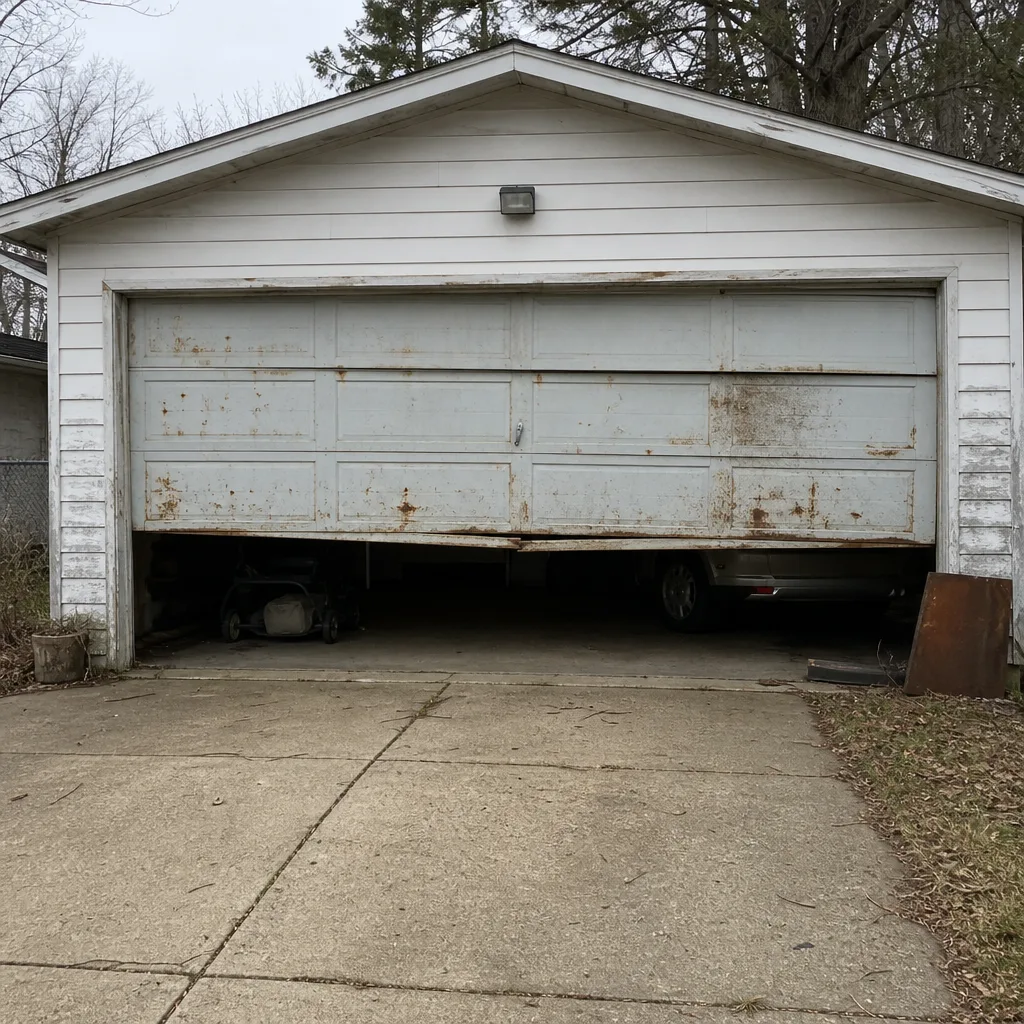 Before
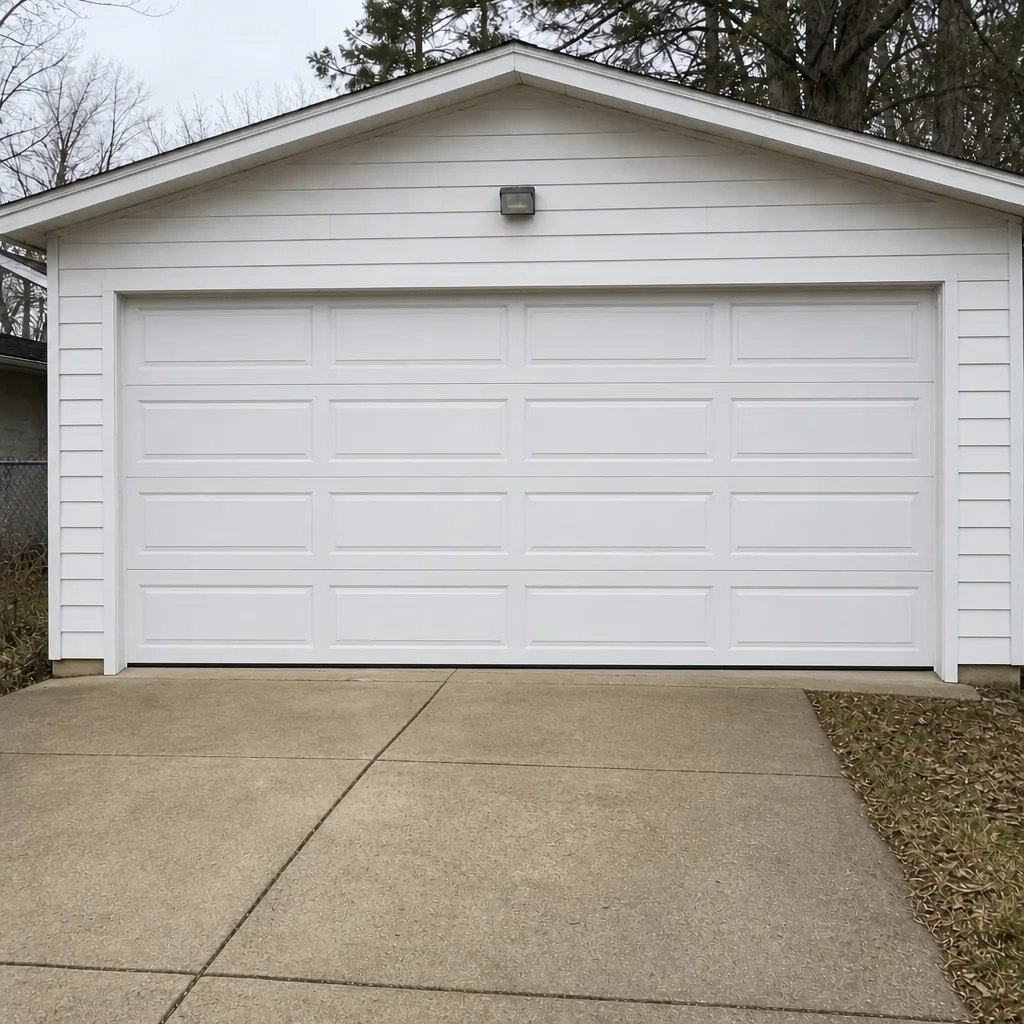 After
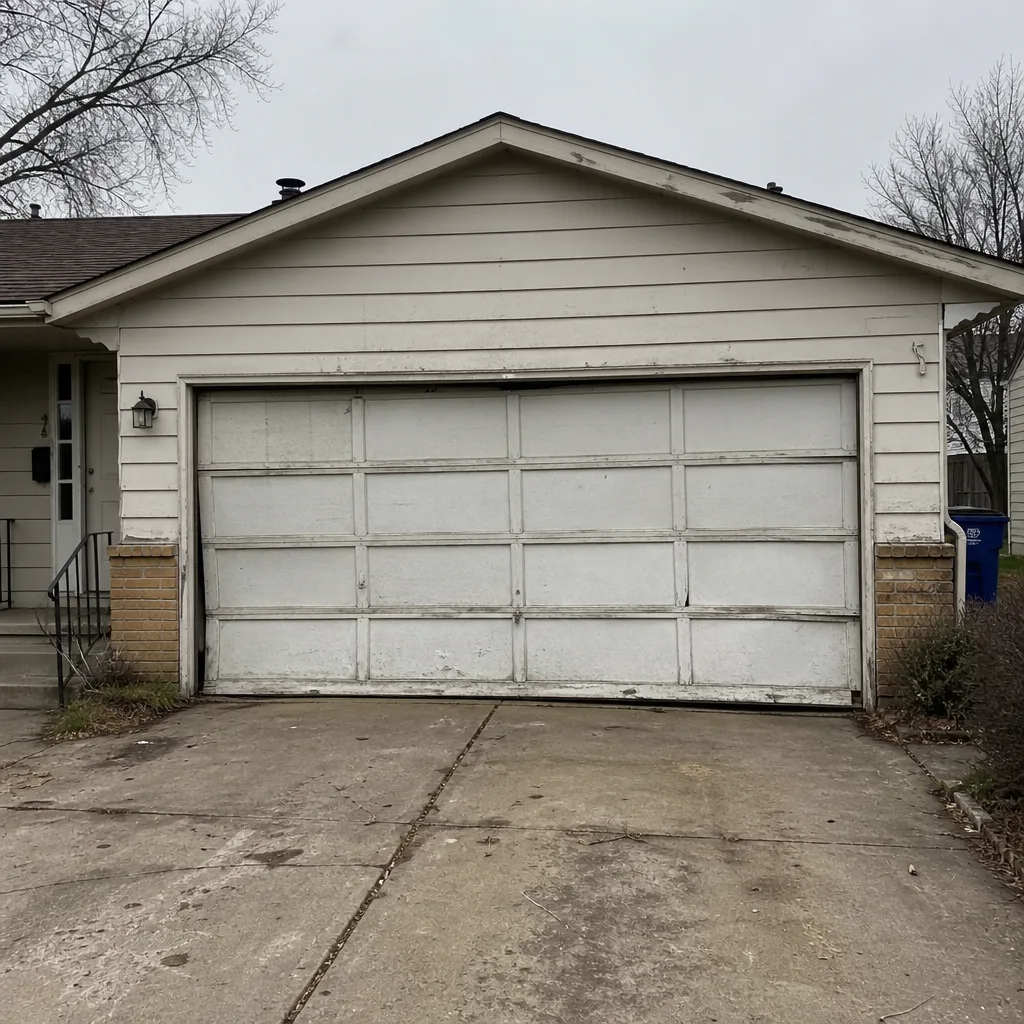 Before
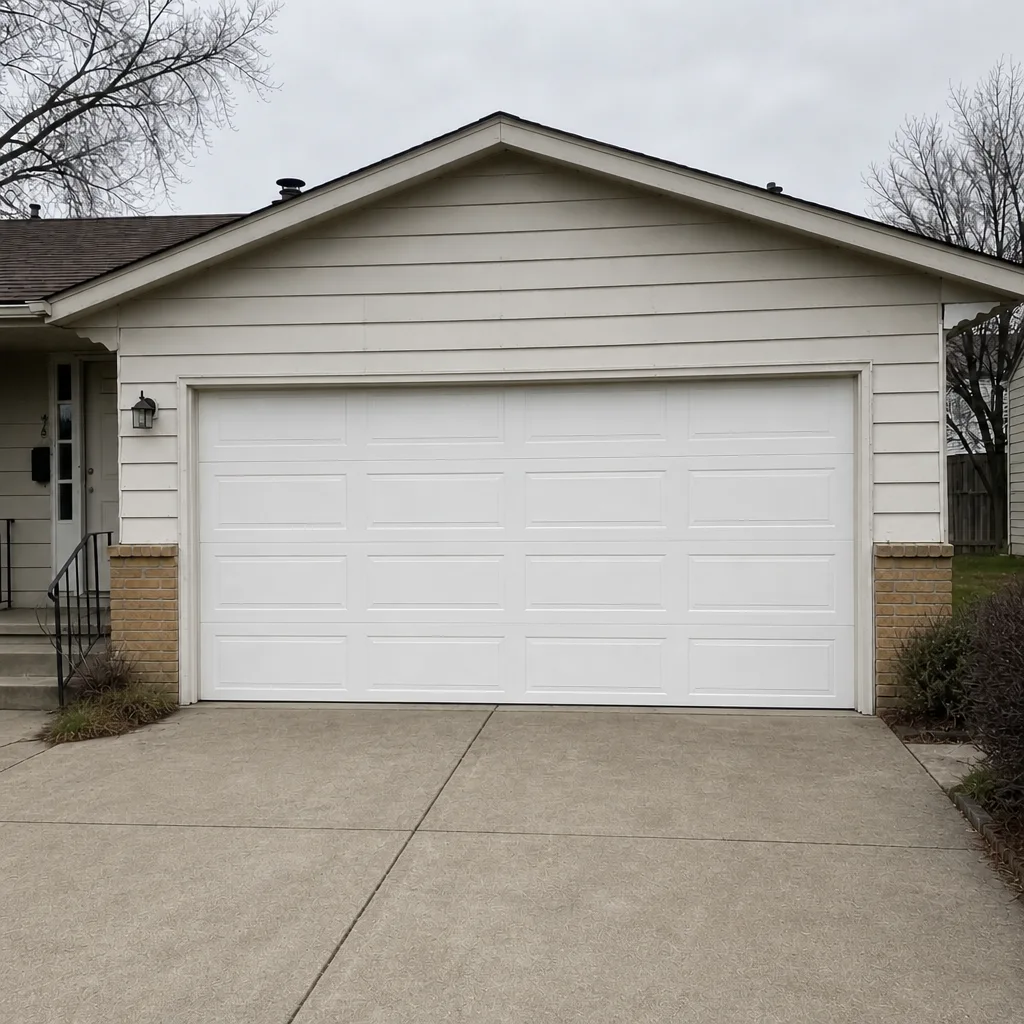 After
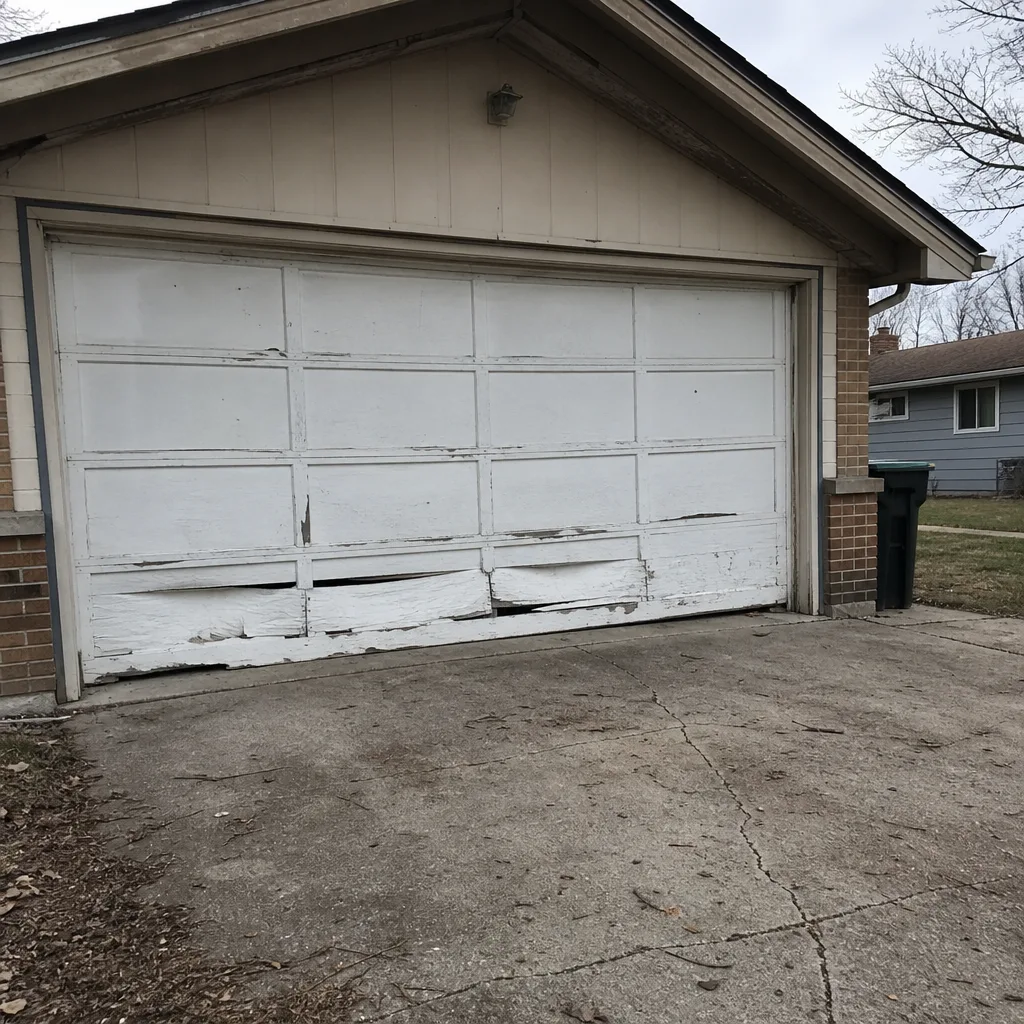 Before
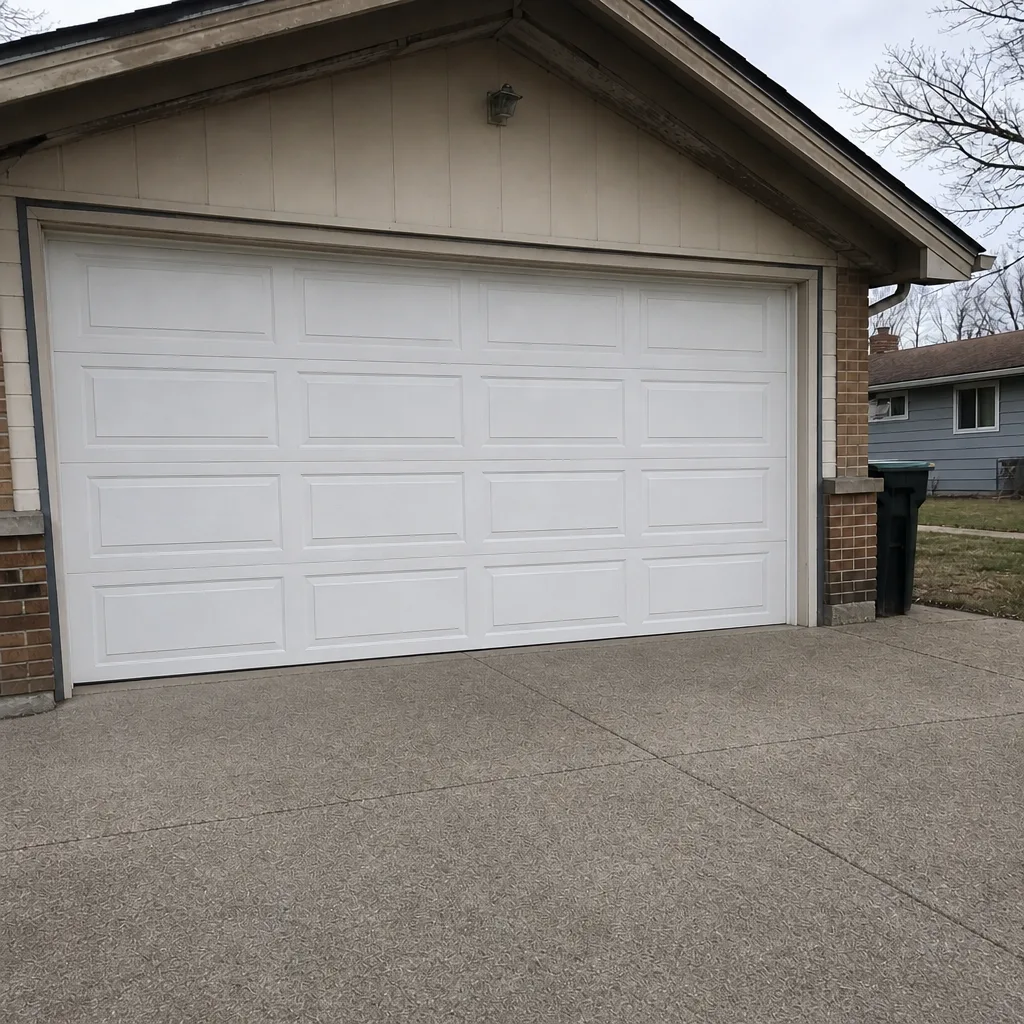 After
When to Call a Professional
Call a professional immediately if you hear a loud bang from the garage and the door won’t lift, if the door hangs crooked or a cable is visibly loose, if the door fails the auto-reverse test, or if the door has come off its track. These are safety scenarios, not maintenance items. Stop using the door and keep people and vehicles clear of it until it’s been looked at.
Call for a diagnostic if the symptoms are less urgent but persistent: grinding that comes and goes, an opener that reverses for no apparent reason, blinking error codes you can’t clear with a sensor adjustment, or a bottom seal that’s cracked and no longer sealing. These are the cases where reading the symptom correctly saves both time and money, and a trained technician can confirm what’s actually wrong rather than guessing from a description.
Crossroads Garage Door Repair offers free estimates in Lansing. Call (833) 673-0891. We answer 24/7. Fast dispatch from 7am to 7pm, Sunday through Friday. Our technicians have up to 13 years of experience and work on the door, the opener, and the installation as one system, so there’s no finger-pointing between contractors when the problem lives somewhere in the middle. If your door is acting up, Lansing homeowners can reach us and get the right diagnosis the first time.
Frequently Asked Questions
Your garage door reverses before closing because the photo-eye safety sensors aren’t seeing each other, or something is blocking the beam. Check that both sensor lights near the floor are solid rather than blinking, wipe the lenses clean, and make sure nothing is in the path. If the lights stay off or blinking, the sensor or its wiring needs attention. Call (833) 673-0891 for an exact quote on a sensor repair; estimates are free.
Yes. A broken torsion spring holds stored energy and can also mean the door’s full weight is unsupported, so the door can drop unexpectedly. Stop operating the door and keep people clear of it until a technician has looked at it. Spring work is professional-only; call (833) 673-0891 for a free estimate.
Garage door repair in Lansing typically runs from $150 to $600 for common fixes, with opener repairs in the $120 to $400 range and a single torsion spring around $180 to $340. A matched pair of springs costs about twice the one-spring range because the pair is usually replaced together. The written estimate sets the final price before any work starts. Call (833) 673-0891 for an exact quote; estimates are free.
Blinking lights on a LiftMaster, Chamberlain, or Genie opener are the unit reporting a fault, most commonly a safety-sensor obstruction, a misaligned sensor, or a travel-limit issue. The number and pattern of blinks narrows which one. It doesn’t mean the opener needs replacing. Call (833) 673-0891 for a free estimate and a proper diagnostic.
You can safely handle low-energy tasks: clearing sensor obstructions, replacing remote batteries, checking that sensors are plugged in, and lubricating rollers and hinges. You should not touch springs, cables, or the door’s track under tension, because the stored energy can cause serious injury. If you’re unsure which side of that line your problem is on, call (833) 673-0891 and ask; estimates are free.
Only if the inspection finds damage the phone call couldn’t reveal, such as a bent track or a stretched cable that came with a spring failure. The written estimate is agreed before any work starts, so the number you sign off on is the number you pay. Call (833) 673-0891 for a free estimate and a written price in Lansing.
The Bottom Line
Most garage door failures come down to the springs, the track, or the opener, and reading the symptom correctly is the whole game. Grinding means track. A loud bang and a door that won’t lift means spring. Reversing and blinking codes mean opener or sensors. Lansing’s freeze-thaw winters push track and bottom-seal failures that get misread as opener problems, so check the mechanical system before you replace electronics. Run the two-part safety test every month. Do the simple fixes yourself, and leave anything touching springs, cables, or track tension to a technician. When you’re ready for eyes on it, call (833) 673-0891. We answer 24/7, with fast dispatch from 7am to 7pm, Sunday through Friday. The estimate is free, and the written price is agreed before any work starts.
Written by the team at Crossroads Garage Door Repair.